
1. Basic Concepts of LTE and 5G Networks
LTE (Long-Term Evolution) represents the charm of fourth-generation wireless communication technology. As an extension of 3G technology, LTE aims to achieve high data transmission speeds and ultra-low response times. The introduction of 5G networks, however, marks the beginning of the fifth generation of wireless communication technology, further enhancing the high speed, low latency, and massive capacity that LTE has built. Undoubtedly, 5G networks will profoundly reshape our daily lives, driving innovation and development in fields such as the Internet of Things (IoT) and smart cities.
LTE and 5G networks differ in technical specifications, frequency band applications, and coverage areas. LTE primarily operates in the 400 MHz to 6 GHz frequency band, while 5G spans a broader range, from low-frequency bands (Sub-6 GHz) to high-frequency bands like millimeter waves (mmWave), enabling wider frequency coverage. Additionally, 5G incorporates advanced technologies such as massive MIMO (Multiple Input Multiple Output) and network slicing to meet the real-time connectivity needs of a larger number of devices and provide customized services.
2. Performance Comparison Between LTE and 5G Networks
When comparing performance, LTE and 5G networks show significant differences.
- Data Transmission Speed: LTE peaks at 300 Mbps, while 5G can reach speeds of tens of Gbps.
- Latency: LTE has an average latency of 10 ms, whereas 5G reduces this to below 1 ms, achieving near-zero latency communication.
- Connection Density: LTE supports up to 2,000 devices per square kilometer, which is impressive. However, 5G can connect up to 1 million devices per square kilometer, perfectly meeting the demands of the IoT era.
In terms of deployment and construction costs, there are also differences. The millimeter-wave signals used by 5G have poor penetration, resulting in reduced coverage. On the other hand, LTE base stations are less expensive to build and offer broader coverage, making them suitable for rural areas. Therefore, selecting the appropriate technology standard based on the specific environment is crucial.
3. Differences in Application Scenarios
The application scenarios of LTE and 5G networks differ significantly. LTE focuses on traditional communication services such as mobile broadband and voice calls and has become the mainstream technology in devices like smartphones and tablets. In contrast, 5G emphasizes emerging industries such as IoT, smart manufacturing, and autonomous driving. Its potential lies in industrial interconnectivity and smart city development.
With its exceptional bandwidth and ultra-low latency, 5G lays a solid foundation for IoT. It supports large-scale device connections and real-time data transmission, unlocking commercial potential in areas like smart homes and health monitoring. For industrial IoT, 5G provides robust support, playing a critical role in real-time communication and intelligent production scheduling, significantly improving production efficiency and ensuring high-quality products.

4. Development Trends of LTE and 5G Networks
The arrival of the digital economy era has raised people’s expectations for communication technology. While the fourth-generation mobile communication technology, LTE, has become stable and widely adopted globally, the next-generation leader, 5G, has garnered significant attention from governments and enterprises, with large-scale commercial deployment accelerating worldwide.
As 5G networks continue to be deployed and their technologies improve, they are expected to play a greater role in fields such as smart transportation, telemedicine, and virtual reality. However, in rural and developing regions, LTE remains a key player, not only meeting basic communication needs but also driving local economic progress.
5. Future Prospects for LTE and 5G Integration
Although LTE and 5G have different technical standards, they are not entirely separate. In the long term, LTE and 5G will gradually achieve technological integration and development. During the transition phase, shared spectrum resources and coordinated networking between LTE and 5G can enhance overall network performance.
While LTE may still be relied upon in specific scenarios (e.g., rural or harsh environments), 5G is better suited for high-speed data transmission in urban areas and densely populated regions. In the future, achieving the integration of LTE and 5G will require leveraging the strengths of both technologies and ensuring a smooth transition.
6. LTE and Wireless Access Network Evolution
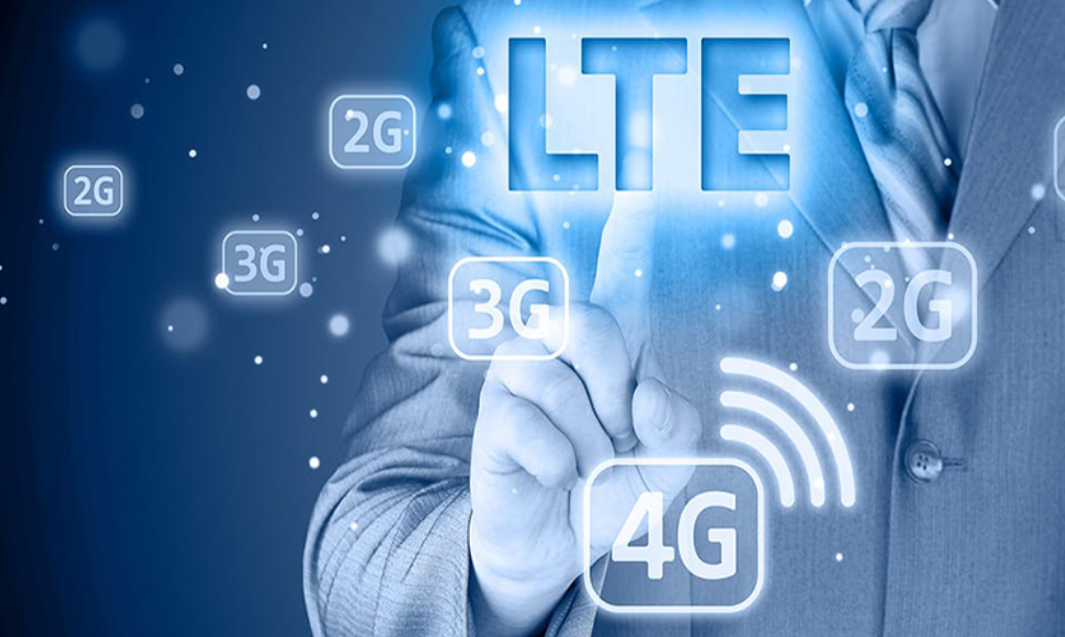
From the perspective of wireless access, LTE and the evolution of wireless access networks are closely related and influence each other, jointly driving innovation in wireless communication technology. The evolution of wireless access networks spans from 2G, 3G, and 4G to the latest 5G networks, with LTE playing a critical role in this process.
The rapid rise of LTE has opened new opportunities for access networks, which continue to evolve to provide faster, more stable, and more flexible service quality. Looking ahead, LTE and access networks are expected to deepen their collaboration and jointly promote further development in the wireless communication industry.
7. Future Trends in Wireless Access Networks
In the future, LTE and wireless access networks will work closely together to lead advancements in the wireless communication field. With the rapid growth of mobile internet and increasing user demands for data transmission speed, latency, and connection density, LTE and access networks will continue to optimize and improve to meet these expectations.
At the same time, with the rise of cutting-edge technologies such as IoT, smart cities, and autonomous driving, the importance of LTE and access networks will become increasingly prominent. As the backbone of these emerging applications, continuous innovation and self-improvement will be essential to maintaining leadership in future development.
 KEY-IOT

 English
 Español de Perú
 Русский
 العربية
 日本語
日本語 简体中文
简体中文 Français
 Deutsch
 繁體中文
繁體中文