 KEY-IOT
SEARCH
— 葡萄酒 | 威士忌 | 白兰地 | 啤酒 —
— 葡萄酒 | 威士忌 | 白兰地 | 啤酒 —
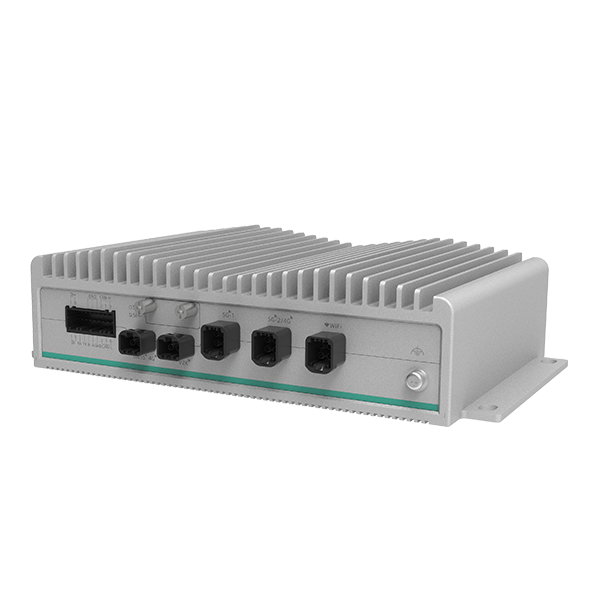
I’ve noticed a lot of forum members discussing network configuration options for vehicle routers lately, especially around dual 5G, 5G+4G, and the newer RedCap technology. I’ve spent quite a bit of time working with vehicle networking setups, so I’m putting together what I’ve learned about these different approaches and which ones actually work in real-world conditions.
Vehicle networking is fundamentally different from fixed installations. When you’re moving, you’re dealing with constant base station handoffs, signal strength fluctuations, and varying coverage depending on terrain. These factors make it really hard for single-mode connections to maintain consistent quality.Traditional 4G single-mode setups often struggle on highways, through mountain tunnels, or in rural areas where signal degrades or drops completely. With 5G networks becoming more widespread, dual-mode and multi-mode configurations are becoming standard for vehicle routers. The whole point is using redundant network types to keep connections reliable.
Dual 5G means the router has two separate 5G modules that can connect to two 5G networks simultaneously. On paper, this sounds great:Performance NumbersIn urban areas where 5G coverage is solid, dual 5G configurations can aggregate bandwidth. Real-world testing shows download speeds hitting 500-800Mbps. This makes a big difference for multiple devices streaming HD content, video conferencing, or transferring large files from the vehicle.Network RedundancyYou can put SIM cards from different carriers in each 5G module, creating network redundancy. If one network drops, the system switches to the backup automatically. That’s the theory, anyway.Real-World LimitationsAfter extended testing, there are some issues worth considering with dual 5G:
The 5G+4G combination uses one 5G module with one 4G module, or a primary card supporting 5G/4G dual-mode with a 4G secondary card. This configuration shows some really practical advantages:Complementary Coverage5G provides high-speed connectivity while 4G has better coverage range and signal penetration. Testing data shows that in mountainous terrain and tunnels, 4G networks often maintain connectivity when 5G drops. Combining both gives you the best option for different environments.Cost EfficiencyRunning one 5G plan with one 4G data card lets you maintain performance while controlling monthly costs. Based on typical carrier pricing, this approach saves 30-50% monthly compared to dual 5G setups.Stability ResultsThrough continuous testing across multiple highway routes, 5G+4G configurations maintain high network availability during 3+ hour drives. The 5G primary handles high-speed transfers while the 4G backup ensures stability. This balanced approach performs well in actual use.
RedCap (Reduced Capability) is a 5G technology subset defined in 3GPP R17, specifically designed for medium-rate IoT scenarios. Understanding RedCap’s positioning matters when choosing vehicle network solutions.Technical SpecificationsRedCap simplifies standard 5G NR in specific ways: bandwidth support drops from 100MHz to 20MHz, fewer receive antennas, but keeps core 5G features like low latency and network slicing. This design balances power consumption, cost, and performance.Vehicle Use CasesFor vehicle routers, RedCap technology offers several practical benefits:
Long-Distance Travel and Highway CommutingRecommended setup: 5G+4G dual-card configuration Reasoning: Highway network environments vary significantly, and 5G+4G combinations provide stable connections across different road sections. Suggest choosing a carrier with good regional 5G coverage for the primary card, with a different carrier’s 4G IoT card as backup.Urban UsageRecommended setup: Single 5G or 5G+4G Reasoning: Urban 5G coverage is already fairly comprehensive, so single 5G meets daily needs. For higher stability requirements, 5G+4G provides better redundancy. Dual 5G can work if budget allows, but the cost-benefit ratio isn’t compelling.Commercial Fleet ManagementRecommended setup: 5G+4G or watch for RedCap options Reasoning: Commercial scenarios prioritize stability and cost control. 5G+4G combinations provide reliable network assurance while managing expenses. As RedCap technology matures and becomes commercially available, it’ll likely become the preferred option for commercial vehicle networks.
Module SelectionGo with communication modules from established manufacturers like Qualcomm, HiSilicon, or UNISOC. These products have proven signal processing, power management, and stability. Avoid modules from small factories or unclear sources.Band SupportVerify the device supports major domestic 5G bands (N41/N78/N79) and 4G bands (B1/B3/B8/B40/B41, etc.). Full band support ensures compatibility when switching between different carrier networks.Thermal ManagementVehicle environments experience significant temperature changes, so prioritize products with active cooling systems. Passive cooling alone may not maintain stable operation during summer heat.Antenna ConfigurationLook for 4-antenna or higher configurations. MIMO technology significantly improves signal quality in vehicle environments. If you’re frequently in remote areas, consider adding external high-gain antennas.
Choosing network configurations for vehicle routers requires balancing use scenarios, budget constraints, and performance requirements. Currently, 5G+4G hybrid setups offer the best balance of performance, cost, and stability for most users. Dual 5G suits scenarios demanding maximum bandwidth primarily in urban areas.RedCap is showing strong potential for vehicle IoT applications as an emerging technology. As standards finalize and the supply chain matures, expect more RedCap vehicle products hitting the market within 1-2 years, giving users additional options.I’d recommend testing based on your actual routes and requirements to find what works best for your situation. Feel free to share usage experiences and test data in the forum – collective knowledge helps advance vehicle networking technology for everyone.
Mo
 English English
  Español de Perú
 Русский
 العربية
 日本語
日本語
 简体中文
简体中文
 Français
 Deutsch
 繁體中文
繁體中文