 KEY-IOT
SEARCH
— 葡萄酒 | 威士忌 | 白兰地 | 啤酒 —
— 葡萄酒 | 威士忌 | 白兰地 | 啤酒 —
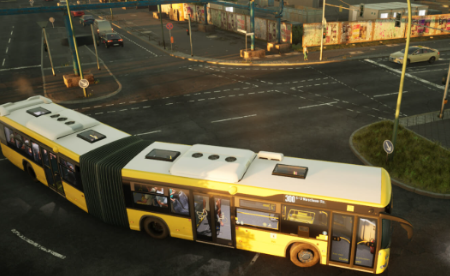
A few months back, I took on a project for a municipal transit authority, and honestly, I wasn’t sure what I was getting into at first. The client had a straightforward but demanding requirement: equip their fleet of over 200 buses with real-time video surveillance, passenger counting, and unified dispatch communications—all while maintaining rock-solid connectivity through underground tunnels and elevated highways where signals typically drop dead. After evaluating several options, I landed on the SV910 dual 5G vehicle gateway. The results in the field exceeded expectations. Here’s a breakdown of what we learned, in case it helps anyone tackling similar challenges.
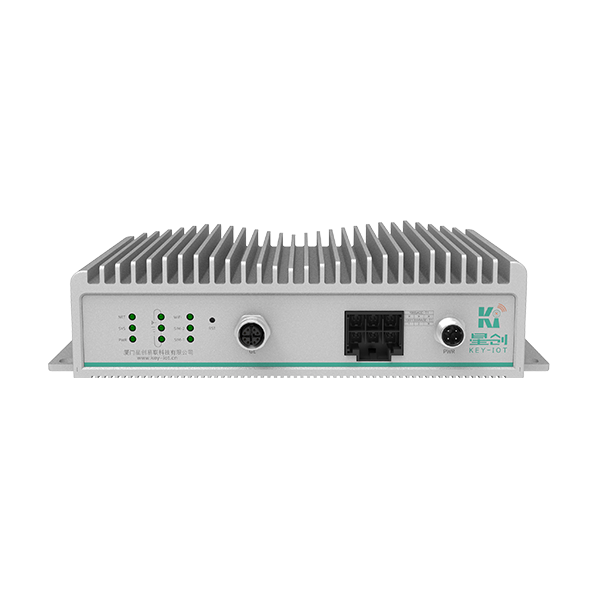
SV910 vehicle gateway interface layout showing detailed connection methods and port distribution
The transit company had been running legacy 4G mobile terminals, and the problems were stacking up. First, bandwidth was a bottleneck—each bus had six HD cameras onboard, and 4G simply couldn’t handle the load. Second, disconnections were constant. The bus routes passed through two tunnels and a stretch of elevated highway, and video feeds would cut out every single time, leaving the dispatch center blind. Third, the equipment setup was a mess: one box for video, another for voice dispatch, yet another for passenger counting. Maintenance was a nightmare.
The IT director, Mr. Li, summed it up perfectly: “Passengers complain the onboard WiFi crawls like a snail. Our own backend monitoring fails every other day. Management keeps asking for reports, and I’m losing my hair over this.”
After hearing all that, the core issue was crystal clear—they needed a high-bandwidth, highly stable, fully integrated vehicle communications hub.
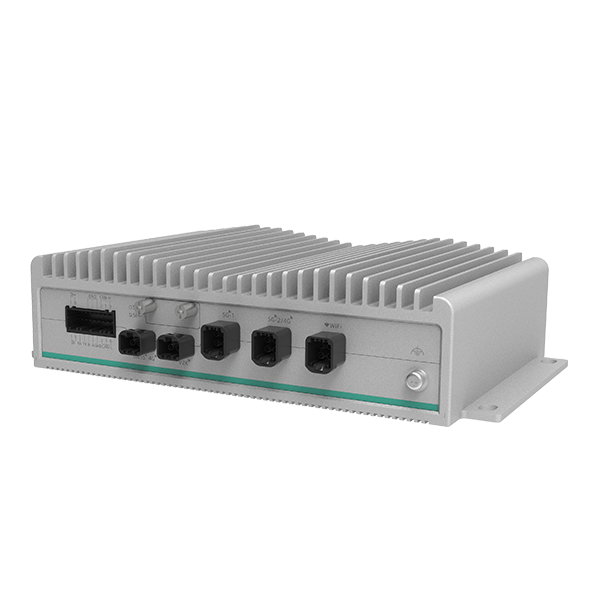
There’s no shortage of vehicle gateway manufacturers out there. I compared five or six products before making a decision. The SV910 won out because several features directly addressed the pain points:
This design is incredibly practical. Two 5G SIM cards operate simultaneously—one dedicated to video streaming, the other handling business data—without interference. Even better, the multi-network aggregation feature lets both 5G modules combine bandwidth. Theoretical downlink speeds exceed 2Gbps. In real-world urban conditions, we consistently hit around 800Mbps, making simultaneous transmission of six 1080p video streams effortless.
Cameras, passenger counters, announcement systems, dispatch terminals—everything plugs directly into the gateway without external switches. The T1/TX dual-mode design is a nice touch: legacy devices connect via standard Ethernet while newer equipment uses automotive Ethernet. Compatibility issues? Solved.
Don’t let the technical name intimidate you—this feature is critical for multi-camera video stitching. Previously, mismatched timestamps between cameras made accident footage analysis incredibly frustrating. Now, all onboard devices sync to microsecond-level precision, ensuring complete evidence chain integrity.
We started with a two-bus pilot. The rollout went smoother than expected and broke down into a few key phases:
The SV910’s compact form factor worked in our favor. We mounted it in the equipment compartment behind the driver’s seat, running cables through the ceiling to each device location. The six vehicle Ethernet ports connected to four door cameras (front and rear) and two mid-cabin cameras. The CAN interface linked to engine diagnostics and door status sensors. Two digital inputs handled the emergency button and door sensors.
Credit where it’s due—the SV910’s web management interface is logically organized and wizard-driven. I configured a dual 5G load-balancing policy: video traffic routes through the primary SIM, business data through the secondary. When signal strength on either card drops below -100dBm, traffic automatically switches to the stronger connection. I also enabled multi-network acceleration for combined bandwidth performance.
This was the critical test. We leveraged the SV910’s wake-on-LAN feature combined with local caching. When the system detects network loss, video data automatically caches to local storage. Once connectivity resumes, the device backfills the missing footage—no dropped frames, no lost data. After several tunnel test runs, playback showed completely seamless recordings. Mr. Li gave us a thumbs-up on the spot.
After a month of pilot operation, we compiled detailed statistics:
Network Reliability: Route-wide average availability jumped from 87% to 99.2%. Daily tunnel disconnections dropped from an average of 12 incidents to zero.
Bandwidth Performance: Peak-hour averages reached 485Mbps downlink and 76Mbps uplink—more than sufficient for all operational needs.
Dispatch Efficiency: With improved real-time video quality, the dispatch center can now monitor cabin crowding levels and dynamically adjust departure intervals. During one morning rush hour, dispatchers spotted sudden passenger surges at a station via live feeds and immediately deployed additional shuttle buses, eliminating a potential safety hazard before it developed.
Passenger WiFi Experience: Previously, riders could barely load text messages on the onboard WiFi. Now, streaming video works smoothly. Speed tests on trial buses showed nearly 100Mbps on mobile devices—plenty for watching short videos during a commute.
A few takeaways worth sharing:
Antenna Placement Matters. The SV910 supports 4×4 MIMO, but cramped or metal-obstructed antenna positions severely degrade performance. We mounted the four 5G antennas at each corner of the roof, spaced at least 40cm apart. Signal strength improved by 6-8dB compared to clustered placement.
Use Different Carriers for Each SIM. Easy to overlook, but two SIMs from the same carrier might both lose signal in the same dead zones. We paired China Mobile as the primary with China Telecom as the backup for optimal coverage redundancy.
Plan Your Remote Management Platform Early. The SV910 supports standard TR-069 and MQTT protocols, integrating smoothly with the transit company’s existing operations platform. Bulk configuration pushes, firmware updates, and fault alerts for 200+ vehicles can all be handled remotely—saving enormous labor costs.
The smart transit project has now rolled out fleet-wide, with all 200+ buses equipped with the SV910. Mr. Li called recently to share that his department ranked first in the transit group’s annual IT assessment—and he’s taking me out for dinner.
After years in this field, there’s no better feeling than watching a deployed solution genuinely solve real problems for a client. The SV910 isn’t perfect, but for public transit applications, it absolutely delivers. Next time, I’ll write about how it performs in logistics fleet deployments—a whole different set of challenges. Stay tuned.
Enter the result
Verification failed
 English English
  Español de Perú
 Русский
 العربية
 日本語
日本語
 简体中文
简体中文
 Français
 Deutsch
 繁體中文
繁體中文