 KEY-IOT
BUSCAR
- 葡萄酒 | 威士忌 | 白兰地 | 啤酒 -
- 葡萄酒 | 威士忌 | 白兰地 | 啤酒 -
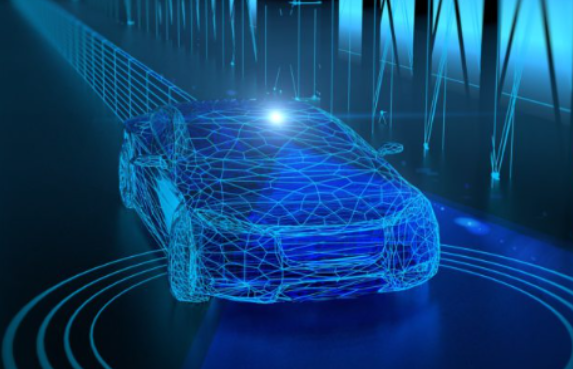
Hace un par de años, mientras realizábamos pruebas de escenarios V2X en un campo de pruebas en Suzhou, nos encontramos con un problema grave. Los vehículos de prueba podían recibir datos de los semáforos desde las unidades situadas en las carreteras, pero siempre había un retraso de entre 3 y 5 segundos antes de que se activara cualquier acción. En escenarios de conducción autónoma, ese retraso es mortal. A 50 km/h, un vehículo recorre 70 metros en 5 segundos, lo que supone mucho más que la distancia que cubre un semáforo en rojo.
Nos llevó una semana completa localizar el problema. Resultó que la pasarela del vehículo trataba los mensajes V2X como datos comerciales normales, poniéndolos en cola con enormes flujos de datos de sensores. Una vez que ajustamos la configuración de prioridad, la latencia se redujo a 80 milisegundos. Problema resuelto.
Ese incidente realmente me abrió los ojos sobre cómo deben funcionar conjuntamente las pasarelas de los vehículos y las unidades V2X en carretera. Hoy compartiré algunas ideas prácticas desde el terreno.
Comencemos por explicar qué significa V2X. Vehicle-to-Everything (vehículo a todo) abarca V2V (vehículo a vehículo), V2I (vehículo a infraestructura), V2P (vehículo a peatón) y V2N (vehículo a red).
Algunas personas se preguntan por qué los vehículos autónomos necesitan V2X cuando ya cuentan con LiDAR, cámaras y radar de ondas milimétricas. La realidad es que los sensores a bordo tienen un alcance limitado. El LiDAR alcanza un máximo de entre 200 y 300 metros. Si se añaden curvas, colinas u obstáculos, ese alcance se reduce rápidamente.
V2X supera las limitaciones de la línea de visión. Instale una unidad en carretera en una intersección y esta transmitirá el estado de los semáforos, la posición de los vehículos y la ubicación de los peatones. Los vehículos pueden recibir esta información a cientos de metros de distancia y planificar en consecuencia.
Otro caso de uso clave son las advertencias de punto ciego. Cuando un vehículo que circula delante frena bruscamente, transmite ese evento a través de V2X. Los vehículos que le siguen reciben la alerta incluso si están bloqueados por un camión. Es muy útil en autopistas.
Luego está el platooning. Varios vehículos autónomos mantienen la formación y los cambios de velocidad sincronizados a través de la comunicación V2X. O en las intersecciones, los vehículos negocian el derecho de paso a través de V2X, lo que resulta más eficiente que los semáforos tradicionales.
Todos estos escenarios requieren que las pasarelas de los vehículos se conecten con las unidades de carretera.
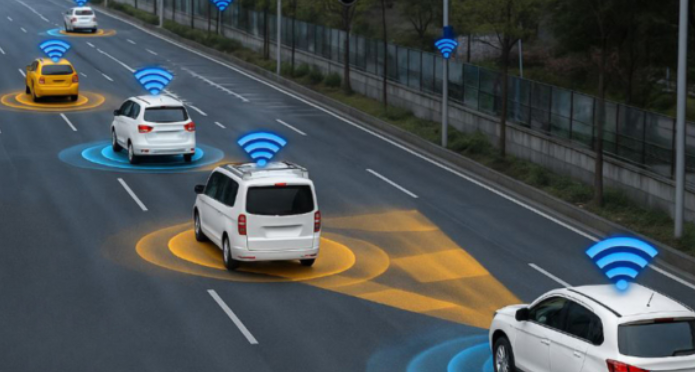
V2X tiene dos estándares que compiten entre sí: DSRC y C-V2X. DSRC se basa en la tecnología WiFi, muy popular en Norteamérica. C-V2X aprovecha la tecnología de redes celulares, que está ganando terreno en China y Europa.
C-V2X funciona en dos modos. El modo Uu utiliza estaciones base 4G/5G para la comunicación entre el vehículo y la nube. El modo PC5 permite la comunicación directa entre vehículos o entre vehículos y unidades en carretera, sin necesidad de infraestructura celular.
Las aplicaciones V2X básicas, como las advertencias de colisión y la gestión de intersecciones, dependen del modo directo PC5. El requisito de latencia es demasiado estricto para el enrutamiento celular. En teoría, el PC5 puede alcanzar una latencia inferior a 20 ms.
El PC5 requiere un espectro dedicado. China asignó 5905-5925 MHz con un ancho de banda de 20 MHz exclusivamente para uso V2X.
Las pasarelas de vehículos compatibles con C-V2X necesitan módulos C-V2X especializados. Estos difieren de los módulos 4G/5G estándar, a pesar de que ambos siguen los estándares 3GPP, ya que la pila de protocolos varía. Los principales actores en el ámbito de los chipsets C-V2X son Qualcomm, HiSilicon y Datang Telecom.
Algunas pasarelas integran módulos 4G/5G y C-V2X. El 4G/5G gestiona el modo Uu para la conectividad entre el vehículo y la nube. El C-V2X gestiona el PC5 para los enlaces entre el vehículo y la infraestructura y entre vehículos. Cada módulo cumple funciones distintas.
Los diseños alternativos utilizan módulos de modo dual que admiten tanto Uu como PC5. Ahorran costos, pero implican sacrificios en cuanto al rendimiento.
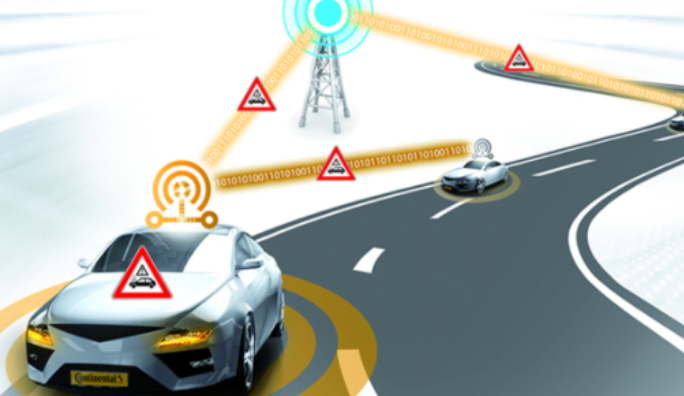
El lugar y la forma en que se instalan las unidades en carretera influyen considerablemente en el rendimiento de las comunicaciones.
Las intersecciones con semáforos son las más comunes.. Las RSU suelen instalarse en postes de señales de entre 5 y 8 metros de altura. Se conectan a los controladores de señales de tráfico para determinar la fase actual (rojo o verde) y los temporizadores de cuenta atrás. Esta información se transmite a través de C-V2X.
La frecuencia de transmisión suele ser de 10 Hz, lo que significa un mensaje cada 100 milisegundos. El contenido del mensaje incluye el ID de la intersección, la fase de la señal, la cuenta atrás y la información sobre los carriles. El formato del mensaje sigue la norma SAE J2735, concretamente SPAT (fase y sincronización de la señal).
Cuando las pasarelas de los vehículos reciben mensajes SPAT, los analizan, validan y luego los reenvían a los controladores de dominio. Los controladores de dominio toman decisiones sobre el cruce de intersecciones basándose en el estado de las señales.
El despliegue en autopistas es la segunda categoría principal.. Las RSU se instalan en tramos propensos a accidentes, como curvas cerradas, pendientes prolongadas y entradas a túneles. Transmiten información sobre el estado de las carreteras, actualizaciones meteorológicas y avisos de congestión.
Las velocidades en autopista exigen un mayor alcance de comunicación. El alcance efectivo estándar de una RSU es de 300 a 500 metros. Las autopistas pueden requerir una cobertura de entre 800 metros y 1 kilómetro. Eso significa que se necesitan antenas con mejores especificaciones y mayor potencia de transmisión.
Las operaciones mineras y del campus representan la tercera categoría.. Estos entornos cerrados suelen implementar redes densas de RSU. Más allá de las señales de tráfico y las advertencias, las RSU coordinan el despacho de vehículos. Al conocer la posición y la velocidad de cada vehículo, las RSU organizan el flujo del tráfico para evitar conflictos.
Las RSU de entorno cerrado suelen conectarse a plataformas de despacho centralizadas. Las pasarelas de los vehículos no solo reciben las transmisiones de las RSU, sino que también transmiten activamente a las RSU, solicitando derechos de paso e informando de anomalías.
La pila de protocolos del modo PC5 de C-V2X, de abajo hacia arriba:
Capas física y MAC Aprovecha la tecnología LTE con optimizaciones especializadas. A diferencia del LTE tradicional, que requiere la programación de estaciones base, PC5 se distribuye sin un nodo central. Los dispositivos seleccionan de forma autónoma las oportunidades de transmisión mediante la detección y la reserva de recursos.
Capas de red y transporte Normalmente, los mensajes V2X se encapsulan en UDP. Aunque también es posible utilizar TCP, UDP se adapta mejor a los requisitos en tiempo real. El direccionamiento IP suele emplear IPv6, dada la gran cantidad de dispositivos V2X, ya que IPv4 no es suficiente.
Capa de aplicación contiene la lógica empresarial V2X real. Las normas clave en este caso son SAE J2735 e ISO TS 19091. Estas definen los tipos de mensajes: BSM (mensaje básico de seguridad), SPAT (fase de señal), MAP (datos de mapa), RSI (información en carretera) y RSM (mensaje de unidad en carretera).
Cada tipo de mensaje tiene definiciones detalladas de la estructura de datos. BSM, por ejemplo, contiene la identificación del vehículo, la posición, la velocidad, el rumbo, la aceleración, las dimensiones y el estado de las señales de giro. Los datos se codifican en formato ASN.1 y se comprimen hasta alcanzar aproximadamente entre 200 y 400 bytes.
Cuando las pasarelas de los vehículos reciben mensajes V2X, se ejecutan varias tareas:
Lo primero es la decodificación y la validación.. Verifique la corrección del formato del mensaje y la integridad de los datos. Los mensajes cifrados requieren descifrado.
En segundo lugar está la verificación de la marca de tiempo.. Todos los mensajes V2X llevan marcas de tiempo. Verifique que la marca de tiempo se encuentre dentro de límites razonables. Una gran desviación con respecto a la hora actual sugiere un posible ataque de repetición; descarte el mensaje.
El tercero es el filtrado basado en la ubicación.. Los vehículos pueden recibir simultáneamente docenas de mensajes de las RSU y de los vehículos circundantes. No todos los mensajes son relevantes. Filtrar según la posición. Por ejemplo, un vehículo que se dirige hacia el este puede ignorar los mensajes de los semáforos de las intersecciones occidentales.
El cuarto es el reenvío al controlador de dominio.. Envía los mensajes útiles a través de la red Ethernet del vehículo al controlador de dominio. El reenvío puede requerir una conversión de protocolo, como transformar el formato ASN.1 a JSON o Protobuf para facilitar el procesamiento del controlador de dominio.
Toda esta secuencia debe completarse en un tiempo extremadamente corto, normalmente menos de 10 milisegundos. De lo contrario, si se añade el tiempo de transmisión de la interfaz aérea y el tiempo de procesamiento del controlador de dominio, la latencia total supera los límites.
La comunicación V2X exige una latencia estricta de extremo a extremo. Desde la transmisión de la RSU hasta la recepción y respuesta del vehículo, toda la cadena debe mantenerse por debajo de los 100 milisegundos. Algunos escenarios, como las advertencias de colisión, requieren 50 milisegundos.
¿Cómo distribuir ese presupuesto de 100 ms?
Procesamiento interno de RSU: 5-10 ms. Desde la recepción de señales de tráfico o la recopilación de datos, pasando por la codificación, el empaquetado y el envío de mensajes V2X.
Transmisión por interfaz aérea: 10-20 ms. El modo PC5 tiene una latencia teórica baja, pero el rendimiento real varía en función de la calidad del canal, los conflictos de recursos y las retransmisiones.
Recepción y procesamiento de la puerta de enlace del vehículo: 10-15 ms. Desde la recepción de RF hasta la decodificación, validación, filtrado y reenvío.
Transmisión Ethernet en el vehículo: 5-10 ms. Puerta de enlace al controlador de dominio.
Procesamiento del controlador de dominio: 30-50 ms. Analizar el mensaje, fusionarlo con los resultados de la percepción y tomar decisiones de planificación.
Latencia de ejecución: 10-20 ms. Comandos de control del controlador de dominio al sistema drive-by-wire, y luego respuesta del actuador.
Cada eslabón de la cadena requiere un control estricto. Las puertas de enlace de los vehículos solo representan entre 10 y 15 ms, pero no pueden relajarse. Especialmente bajo una carga elevada, si la puerta de enlace no puede seguir el ritmo, la latencia se dispara.
Entre los métodos para reducir la latencia del procesamiento de la puerta de enlace se incluye la aceleración por hardware dedicado. Implemente la decodificación y validación de mensajes V2X en FPGA o ASIC, mucho más rápido que el procesamiento por software. Optimice también la arquitectura de software utilizando copias sin copia, subprocesos múltiples y colas sin bloqueo para minimizar el movimiento de datos y los tiempos de espera.
La seguridad de las comunicaciones V2X es absolutamente fundamental. Si los atacantes falsifican un mensaje de “obstáculo delante”, los vehículos que lo reciban frenarán de emergencia, lo que podría provocar colisiones por alcance. Falsificar los mensajes de los semáforos, haciendo que los vehículos crean que están en verde cuando están en rojo, tiene consecuencias aún peores.
Los mensajes V2X requieren mecanismos de seguridad. China y Europa han establecido sistemas de certificación de seguridad V2X basados en PKI (infraestructura de clave pública).
Todos los dispositivos V2X, incluidos los gateways de vehículos y las RSU, cuentan con un certificado digital. Al enviar mensajes V2X, los dispositivos firman con claves privadas. Los destinatarios utilizan certificados para verificar las firmas, confirmando que los mensajes proceden de dispositivos legítimos sin manipulación.
Pero aquí hay un conflicto. La generación y verificación de firmas digitales requieren operaciones criptográficas, que llevan mucho tiempo. Verificar una firma ECDSA de 256 bits lleva varios milisegundos en las CPU estándar. Los vehículos procesan cientos de mensajes V2X por segundo. Verificar cada uno de ellos superaría el presupuesto de latencia.
La solución es la aceleración por hardware. Las pasarelas de los vehículos necesitan chips de seguridad dedicados o aceleradores criptográficos capaces de verificar firmas en paralelo. Los chipsets Qualcomm V2X y la serie HiSilicon Balong 5000 integran esta capacidad de aceleración criptográfica.
Otra cuestión es la gestión de certificados. Los certificados V2X no pueden tener una larga duración. Por motivos de privacidad y seguridad, cada certificado suele tener una validez de entre unos minutos y unas horas. Los vehículos llevan consigo lotes de certificados y los van utilizando de forma rotativa. Cuando se están agotando, los vehículos solicitan nuevos certificados a los sistemas de gestión de certificados.
Este proceso de solicitud y renovación de certificados requiere que las pasarelas de los vehículos se comuniquen con los sistemas backend a través de redes 4G/5G. Por lo tanto, las pasarelas deben ser compatibles tanto con el modo PC5 para la mensajería V2X como con el modo Uu para la gestión de certificados. Ambas funciones deben coordinarse.
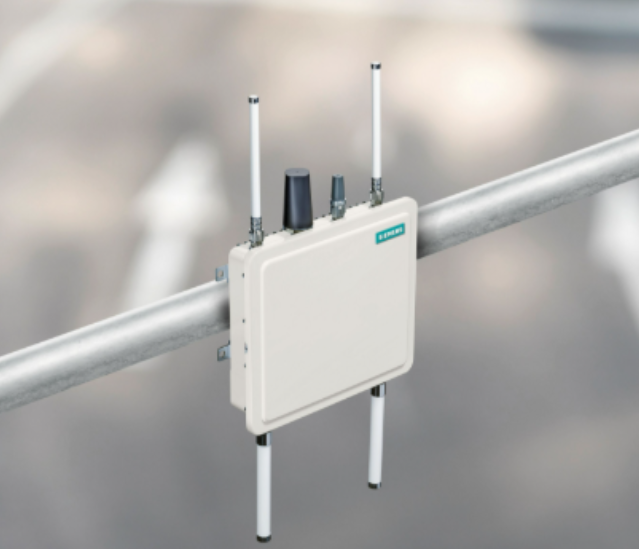
El alcance efectivo de comunicación de las RSU suele ser de 300 a 500 metros. Pero eso es en condiciones ideales. El uso en el mundo real se enfrenta a muchas limitaciones.
La obstrucción de edificios es el mayor problema.. Los entornos urbanos con edificios altos bloquean o reflejan las señales V2X. Los vehículos que giran en las intersecciones pueden perder los mensajes de la RSU cuando los edificios bloquean la línea de visión.
La solución es la implementación multipunto. Una intersección puede necesitar entre dos y cuatro RSU que cubran diferentes direcciones de aproximación. Si una dirección queda bloqueada, las demás siguen funcionando. Pero esto aumenta el costo de la infraestructura.
El desvanecimiento multitrayecto presenta otro desafío.. Las señales de la RSU al vehículo pueden viajar por rutas directas o rebotar en edificios a lo largo de múltiples rutas. La combinación de señales de múltiples rutas puede reforzarse o cancelarse entre sí. Esto provoca una calidad de comunicación inestable.
La capa física C-V2X incorpora optimizaciones como la modulación OFDM y la codificación de canales para combatir algunos efectos multitrayecto. Sin embargo, los entornos urbanos complejos siguen afectando a las tasas de éxito de las comunicaciones.
Tampoco se puede ignorar la interferencia.. Aunque V2X cuenta con un espectro dedicado, varios dispositivos que transmiten simultáneamente en la misma frecuencia siguen interfiriendo entre sí. En intersecciones muy transitadas, docenas de vehículos y múltiples RSU pueden transmitir al mismo tiempo.
El modo PC5 incluye la prevención de colisiones: los dispositivos detectan el canal antes de transmitir y esperan si está ocupado. Pero esto no elimina todas las colisiones. Sigue produciéndose pérdida de paquetes.
Por lo tanto, la confiabilidad de la comunicación V2X nunca alcanza el 100 %. Los objetivos de diseño típicos apuntan a una tasa de éxito en la recepción de mensajes del 90-95 % en un radio de 200 metros. La pérdida restante de paquetes del 5-10 % requiere tolerancia a fallos a nivel de aplicación.
Por ejemplo, las RSU envían mensajes de semáforos cada 100 milisegundos, en múltiples transmisiones consecutivas. Incluso si se pierde un paquete, los vehículos reciben los mensajes siguientes. Los controladores de dominio también implementan el manejo de tiempos de espera. Si los mensajes V2X dejan de llegar, se cambia al reconocimiento de semáforos basado exclusivamente en la visión.
Hemos llevado a cabo la validación V2X en múltiples campos de pruebas y nos hemos encontrado con varios obstáculos.
El primer problema fue la sincronización del reloj.. Las marcas de tiempo de los mensajes V2X requieren una precisión de milisegundos. Si los relojes de la pasarela del vehículo y la RSU no están sincronizados, la validación de la marca de tiempo falla y los mensajes se descartan.
Las RSU suelen utilizar GPS o BeiDou para la sincronización, con una precisión de microsegundos. Las pasarelas de los vehículos también necesitan sincronización GPS, pero algunas pasarelas solo utilizan GPS para el posicionamiento sin conectar señales de sincronización. Esto provoca una desviación del reloj.
Finalmente, exigimos que las puertas de enlace sean compatibles con la sincronización GPS y se sincronicen periódicamente con los servidores NTP. La doble garantía asegura la precisión horaria.
El segundo problema fue la transformación de coordenadas.. Los mensajes V2X contienen datos de posición en coordenadas de latitud/longitud WGS84. Sin embargo, los controladores de dominio suelen utilizar sistemas de coordenadas cartesianas locales con la posición actual del vehículo como origen. Las pasarelas que reciben mensajes RSU deben transformar las coordenadas.
La transformación de coordenadas parece sencilla, pero cuando se requieren altos niveles de precisión, los errores de proyección, la curvatura de la Tierra y la elevación son factores importantes. Una transformación inexacta hace que los controladores de dominio calculen mal las posiciones de las RSU, lo que puede afectar a las decisiones.
Posteriormente, integramos bibliotecas de transformación de coordenadas de alta precisión en las puertas de enlace, compatibles con múltiples sistemas de coordenadas y proyecciones. También acordamos con los controladores de dominio sistemas de coordenadas unificados para evitar confusiones.
El tercer problema fueron las tormentas de mensajes.. En determinados escenarios, como grandes intersecciones o casetas de peaje de autopistas con mucho tráfico, cada vehículo transmite mensajes BSM. Las pasarelas pueden recibir simultáneamente cientos de mensajes.
Reenviar todos los mensajes a los controladores de dominio saturaría la red del vehículo. Las puertas de enlace deben agregar y filtrar. Por ejemplo, solo reenviar mensajes de vehículos que se encuentren a menos de 200 metros, ignorando los más lejanos. O priorizar los mensajes, reenviando solo los más importantes.
El cuarto problema era la compatibilidad de los dispositivos.. Aunque V2X cuenta con estándares, las implementaciones de los diferentes proveedores siguen variando. Durante las pruebas, descubrimos que ciertos mensajes de marcas de RSU no podían ser analizados por ciertas marcas de puertas de enlace. La captura de paquetes reveló un manejo inconsistente de los campos opcionales de codificación ASN.1.
Finalmente, hubo que ponerse en contacto con ambos proveedores para ajustar las implementaciones a los estándares. Estos problemas de interoperabilidad deben resolverse antes de llevar a cabo una implementación V2X a gran escala, ya que, de lo contrario, los equipos de diferentes proveedores no podrán funcionar juntos.
Las aplicaciones V2X difieren significativamente según el escenario.
Escenarios de carreteras urbanas Céntrese en la información de los semáforos y las advertencias de conflictos en las intersecciones. La densidad de RSU es relativamente alta, básicamente se instala en todas las intersecciones con semáforos. Las puertas de enlace de los vehículos deben gestionar la recepción de mensajes de alta frecuencia al tiempo que controlan el consumo de energía, ya que no pueden funcionar a plena potencia constantemente.
Escenarios en autopista Haga hincapié en las advertencias de colisión frontal, las advertencias de frenado de emergencia y las alertas de peligros en la carretera. Estos mensajes tienen mayor prioridad y requisitos de latencia más estrictos. Al procesar mensajes V2X en autopistas, las pasarelas deben asignarles la máxima prioridad, evitando que otros datos comerciales los bloqueen.
Escenarios mineros y portuarios Utilizar V2X no solo para advertencias de seguridad, sino también para el envío de vehículos. Las RSU emiten instrucciones de conducción y los vehículos deben seguir las órdenes para desplazarse a las posiciones designadas. Estos escenarios exigen una fiabilidad absoluta de los mensajes V2X, sin que se tolere ninguna pérdida.
Normalmente se combina con mecanismos de reconocimiento. Los vehículos que reciben instrucciones de envío responden con mensajes de confirmación a través de V2X. Si las RSU no reciben la confirmación, vuelven a enviar las instrucciones. Para ello, es necesario que las pasarelas de los vehículos admitan la comunicación bidireccional, tanto de recepción como de transmisión.
Escenarios de campus y parques implican velocidades más bajas con requisitos de seguridad menos estrictos. V2X puede centrarse más en optimizar la eficiencia del flujo de tráfico, como la progresión de la ola verde o el cruce coordinado de intersecciones. Estos escenarios permiten requisitos de latencia menos estrictos, pero exigen una cobertura completa, sin puntos ciegos.
La información V2X finalmente se fusiona con los datos de los sensores a bordo. Esta fusión suele producirse en los controladores de dominio, pero las pasarelas deben cooperar.
Por ejemplo, las cámaras detectan la luz roja al tiempo que reciben un mensaje de luz roja a través de V2X. Si ambas fuentes coinciden, la confianza aumenta. Si entran en conflicto, podría tratarse de una identificación errónea de la cámara o de un problema con el mensaje V2X que requiere una evaluación más detallada.
Otro caso: las cámaras no pueden ver claramente los semáforos debido al resplandor del sol o a la obstrucción de los vehículos. Si V2X recibe mensajes de señales luminosas, proporciona información complementaria.
O pensemos en los vehículos que se encuentran en el punto ciego. Es posible que el LiDAR y las cámaras no detecten los vehículos ocultos, pero estos transmiten mensajes BSM. Una vez que los controladores de dominio fusionan los datos V2X, perciben la presencia de vehículos en el punto ciego y planifican maniobras de evasión con antelación.
Durante este proceso, las pasarelas deben garantizar que las marcas de tiempo de los mensajes V2X coincidan con los datos de los sensores. Todos los datos necesitan una referencia temporal unificada para que los controladores de dominio puedan asociar diferentes datos de origen del mismo momento durante la fusión.
La implementación de V2X está muy influenciada por las regulaciones y normas. Los diferentes países y regiones tienen diferentes requisitos de V2X.
China está impulsando el C-V2X. El MIIT ha asignado un espectro específico y el MOT está formulando normas de aplicación del V2X. Algunas ciudades exigen que las nuevas carreteras cuenten con RSU y que los vehículos comerciales recién matriculados estén equipados con dispositivos V2X.
Europa impulsó anteriormente el DSRC, pero ahora está dando un giro hacia el C-V2X. La Comisión Europea está estableciendo normas V2X unificadas que exigen la interoperabilidad entre los vehículos y las infraestructuras.
La situación en Estados Unidos es complicada. La FCC asignó parte del espectro de 5,9 GHz al WiFi, dejando a V2X solo 30 MHz de ancho de banda. Los fabricantes de automóviles estadounidenses apoyan tanto C-V2X como DSRC. El mercado aún está tratando de aclarar las cosas.
En el caso de las pasarelas para vehículos, es necesario que sean compatibles con diferentes estándares V2X regionales. Lo ideal es que sean configurables por software y adaptables a diferentes mercados mediante actualizaciones de firmware. En cuanto al hardware, los frontales de RF deben cubrir diferentes bandas de frecuencia.
La certificación de seguridad también es un requisito de cumplimiento. La CCSA de China desarrolló especificaciones técnicas de seguridad V2X: los dispositivos de los vehículos necesitan certificación para su implementación comercial. Europa tiene normas similares. Las pasarelas deben ser compatibles con los protocolos técnicos y obtener la certificación correspondiente.
La tecnología V2X continúa su rápido desarrollo. 5G NR V2X representa la tecnología de próxima generación con importantes mejoras con respecto a LTE V2X. Menor latencia, mayor confiabilidad, compatibilidad con velocidades más altas y tráfico más denso.
Sin embargo, los costos de los equipos 5G V2X siguen siendo relativamente altos. La comercialización masiva requiere tiempo. En la fase actual, LTE V2X y 5G V2X coexisten. Las pasarelas de los vehículos deben ser compatibles con ambas tecnologías.
Otra tendencia es la convergencia de las redes V2X y 5G. Es posible que las futuras pasarelas de vehículos utilicen módulos únicos que admitan simultáneamente el modo 5G Uu y el modo 5G PC5, lo que eliminaría la necesidad de módulos C-V2X independientes. Esto reduce el costo y el consumo de energía.
La computación periférica también se está integrando con V2X. Las RSU ya no son simples nodos de transmisión, sino que han adquirido capacidad de computación. Pueden agregar datos de múltiples vehículos, tomar decisiones de coordinación locales y luego distribuir los resultados a través de V2X. Las pasarelas de los vehículos deben manejar interacciones más complejas.
Según mi experiencia participando en proyectos V2X durante los últimos años, la tecnología en sí misma está bastante madura. El mayor reto reside en su implementación a gran escala. Los costos de infraestructura de las RSU, las tarifas de equipamiento de los vehículos, la interoperabilidad entre diferentes proveedores... Son cuestiones que requieren tiempo para resolverse. Pero la dirección es clara. El V2X se convertirá en un equipamiento estándar en los vehículos inteligentes conectados, y la coordinación entre las pasarelas de los vehículos y las RSU cobrará cada vez más importancia.
Mo
 English English
  Español de Perú
 Русский
 العربية
 日本語
日本語
 简体中文
简体中文
 Français
 Deutsch
 繁體中文
繁體中文