 KEY-IOT
SUCHEN
- 葡萄酒 | 威士忌 | 白兰地 | 啤酒 -
- 葡萄酒 | 威士忌 | 白兰地 | 啤酒 -
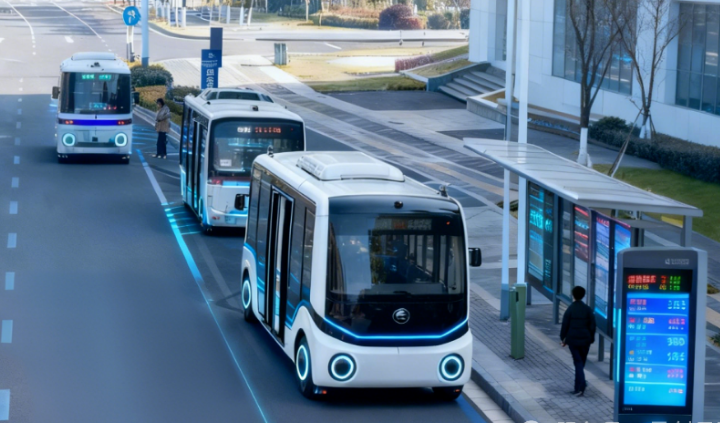
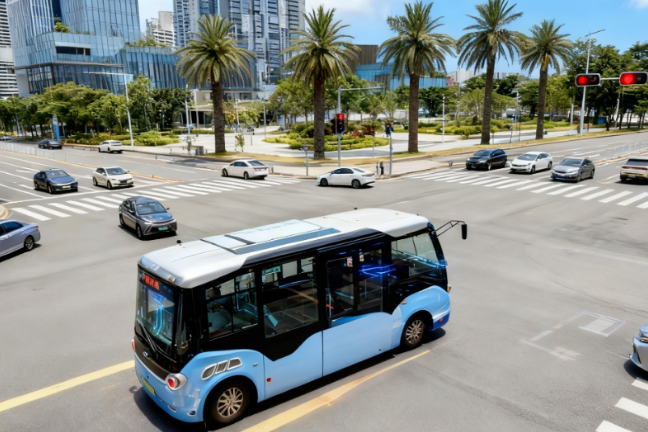
Shanghai hat vor kurzem sein Pilotprogramm für autonome Nachtshuttles gestartet. Diese Initiative treibt die Innovation im intelligenten öffentlichen Verkehr voran. Derzeit verkehren 39 intelligente Busse in den Bezirken Lingang, Fengxian und Jiading. Fast 10 maßgeschneiderte Routen bedienen Universitäten, Gesundheitseinrichtungen, Pendlerkorridore und touristische Ziele. Das Programm positioniert Shanghai als Vorreiter bei der Entwicklung intelligenter, vernetzter Fahrzeuge.
Das Internet der Fahrzeuge ist zu einem zentralen Element des intelligenten Verkehrs geworden. Die intelligente Mobilität tritt in das Zeitalter der “Fahrzeug-Straßen-Wolken-Integration” ein. Intelligente Busse entwickeln sich von passiver Planung zu proaktiver Intelligenz. Das 5G-Automotive-Gateway dient als fahrzeugseitiger Kommunikationsknotenpunkt. Es übernimmt die Datenübertragung, die Gerätekoordination und das Sicherheitsmanagement. Diese Technologie erfüllt die hohen Anforderungen des autonomen Fahrens an geringe Latenzzeiten, hohe Bandbreite und Echtzeitsteuerung.
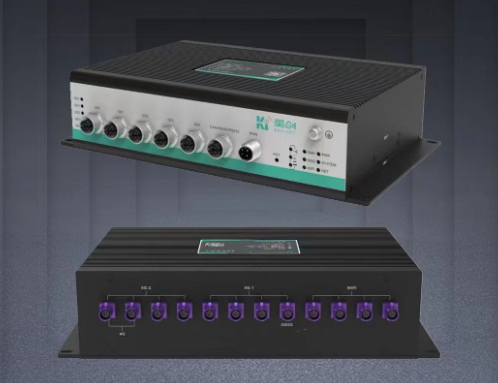
Das 5G-Automobil-Gateway ist mehr als ein Netzwerkanschluss. Es ist ein integriertes Kommunikationsendgerät, das mehrere Technologien kombiniert. Dazu gehören 5G-Netzwerke, Multi-Link-Redundanz und Sicherheitsverschlüsselung. Das SV900-Automotive-Gateway wurde speziell für autonome Fahranwendungen entwickelt. Es lässt sich mit Onboard-Computing-Plattformen, LiDAR und Millimeterwellen-Radar verbinden. Das System empfängt Echtzeitdaten von straßenseitigen Einheiten. Dazu gehören Verkehrssignale, Stauwarnungen und Unfallberichte. Es liefert autonomen Systemen ein 360-Grad-Umweltbewusstsein.
Der SV900 verwendet die Kommunikationsstandards IEEE 802.11b/g/n/ac/ax. Er verfügt über zwei 5G-Module mit Multi-Mode-Redundanz. Die Link-Aggregation schafft einen Dual-Layer-Schutz. Dies ermöglicht eine stabile Leistung mit niedriger Latenz. Video- und Steuerdaten werden effizient und parallel übertragen. Das Automotive-Gateway bietet einen zuverlässigen Netzwerkzugang zwischen Fahrzeugsystemen und dem Internet. Es sorgt für nahtlose Signalübergänge in Tunneln und Straßenschluchten.
Das staubdichte Design verwendet M12-Steckverbinder in Luftfahrtqualität. Diese schützen vor Straßenschmutz und Vibrationen. Fünf Gigabit-Ethernet-Anschlüsse ermöglichen die Verbindung zu LiDAR, Kameras und Peripheriegeräten. Dadurch wird eine stabile Verbindung zur Cloud-Plattform aufrechterhalten. Die Datensynchronisierung in Echtzeit verhindert, dass autonome Systeme Sensoreingaben verlieren. Die Betriebssicherheit bleibt konstant.
Der SV900 läuft unter Linux und unterstützt kundenspezifische Entwicklungen. Sein Arbeitsablauf umfasst eine lokale Vorverarbeitung, das Hochladen kritischer Daten und eine schnelle Reaktion. Dies steigert die Effizienz erheblich. Das Automotive Gateway zeichnet sich durch seine Schnittstellenkompatibilität und Rechenleistung aus. Ein Dual-Core-A53-Prozessor bewältigt anspruchsvolle Arbeitslasten. Der 4 GB große EMMC-Flash-Speicher kann auf 8 GB erweitert werden. Die CAN-Bus-Unterstützung bietet eine robuste Grundlage für die Datenverarbeitung.
In Szenarien zur Hindernisvermeidung ermöglicht die Unterstützung des NTRIP-Protokolls eine lokale Sensorfusion. LiDAR- und Kameradaten werden für ein umfassendes Bewusstsein zusammengeführt. Die fahrzeugseitige RTK-Positionierung liefert eine Genauigkeit im Zentimeterbereich. Die Integration einer Cloud-Plattform empfängt Entscheidungsbefehle über 5G-Netzwerke. Dies gewährleistet eine präzise Koordination.
Intelligente Busse verarbeiten sensible Fahrgastdaten und Versandbefehle. Ende-zu-Ende-Schutz ist unerlässlich. Der SV900 bietet Sicherheit durch Hardware-Verschlüsselung, virtuelle private Netzwerke und Plattformintegration. Die VPN-Konstruktion umfasst optionale nationale kryptografische Algorithmen. Dies verhindert Datendiebstahl auf der Transportebene.
Geräteauthentifizierung und hierarchische Zugriffskontrolle verhindern unbefugten Zugriff. CAN-Bus-Isolierung verhindert Manipulationen von Steuerbefehlen. Die FOTA-Fernaktualisierungsfunktion ermöglicht das Einspielen von Sicherheits-Patches. Cloud-Plattformen stellen Updates ohne Serviceunterbrechung bereit. Das System sorgt für die Einhaltung von Vorschriften und verhindert gleichzeitig Datenschutzverletzungen und Befehlsmanipulationen.
Hochfrequentierte Hauptverkehrsstraßen erfordern Busse, die Geschwindigkeit und Sicherheit in Einklang bringen. Das Automotive Gateway ermöglicht die Koordination von Fahrzeug und Straße. Die Busse synchronisieren sich mit den Verkehrssignalen für einen optimalen Verkehrsfluss. Das Gateway überträgt Positions- und Geschwindigkeitsdaten an straßenseitige Einheiten. Es empfängt Echtzeit-Signalinformationen für eine präzise Koordination. Dies unterstützt die Routenoptimierung und Unfallvermeidung.
Shuttlebusse zum Campus und in die landschaftlich reizvolle Umgebung stellen den Besucherservice in den Vordergrund. Das Auto-Gateway ermöglicht ein intensives Erlebnis. Onboard-Displays zeigen Informationen zu Attraktionen an, die je nach Standort aktualisiert werden. Besucher können sich über das bordeigene WiFi verbinden, um digitale Karten und Tickets zu erhalten. Dispositionsplattformen überwachen die Fahrgastzahlen in Echtzeit. Das System setzt in Spitzenzeiten automatisch Fahrzeuge ein. Die Wartezeiten sinken um 30%.
Langstreckenbusse haben einen hohen Verschleiß an Ausrüstung. Wartung und Sicherheit sind wichtige Aspekte. Die FOTA-Fernwartung des Automotive Gateways erweist sich als unverzichtbar. Auf Langstrecken verkürzt diese Funktion die Reparaturzeit von 4 Stunden auf 1,5 Stunden. Die Wartungskosten sinken um 28%. Die Kommunikation mit geringer Latenz ermöglicht eine Fahrerüberwachung in Echtzeit. Dadurch werden Verstöße und Unfälle auf langen Strecken reduziert.
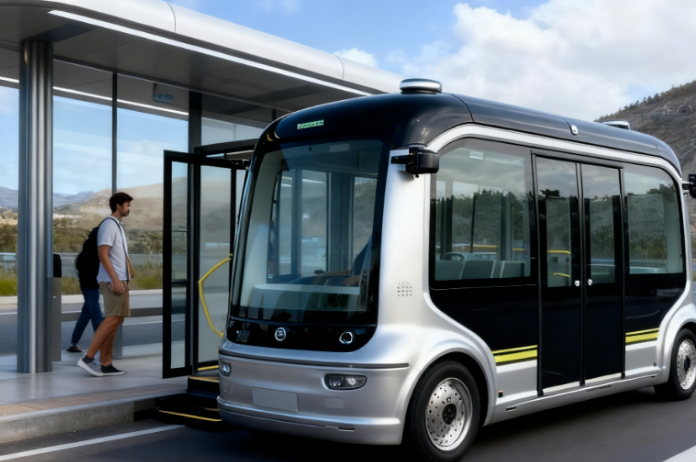
Autonome Busse haben extreme Anforderungen an die Stabilität der Kommunikation. Die “5G plus Multi-Link-Redundanz” des Automotive Gateways bietet eine zentrale Unterstützung. Die extrem niedrige Latenzzeit gewährleistet präzise Entscheidungen im komplexen Verkehr. Die Multi-Link-Redundanz hält Verbindungen in Bereichen mit schwachem Signal aufrecht. Dies schafft die Grundlage für die Skalierung von Piloten bis zur vollständigen Einführung.
Das 5G-Automotive-Gateway verbindet Fahrzeuge, Infrastruktur, Cloud-Systeme und Menschen. Die Produktreihe von Star Connectivity bietet bewährte Leistung. Der SV900 verfügt über ein duales 5G-Redundanz-Backup und Multi-Interface-Kompatibilität. Die Zuverlässigkeit des Gateways unterstützt Robobus, Robotaxi und autonome Traktoren in großem Maßstab. Es hat bereits über 100 Robotaxis im Nahen Osten unterstützt. Schnelle, stabile Kommunikation zeigt, was in der Praxis möglich ist.
Der SV910 der nächsten Generation integriert 5G-, V2X- und Low-Power-Technologien. Er stärkt die Echtzeit-Interaktion zwischen Fahrzeug und Straße sowie die Edge Intelligence. Präzise Datenübertragung ermöglicht intelligente Disposition und
Mo
 English English
  Español de Perú
 Русский
 العربية
 日本語
日本語
 简体中文
简体中文
 Français
 Deutsch
 繁體中文
繁體中文