 KEY-IOT
SUCHEN
- 葡萄酒 | 威士忌 | 白兰地 | 啤酒 -
- 葡萄酒 | 威士忌 | 白兰地 | 啤酒 -
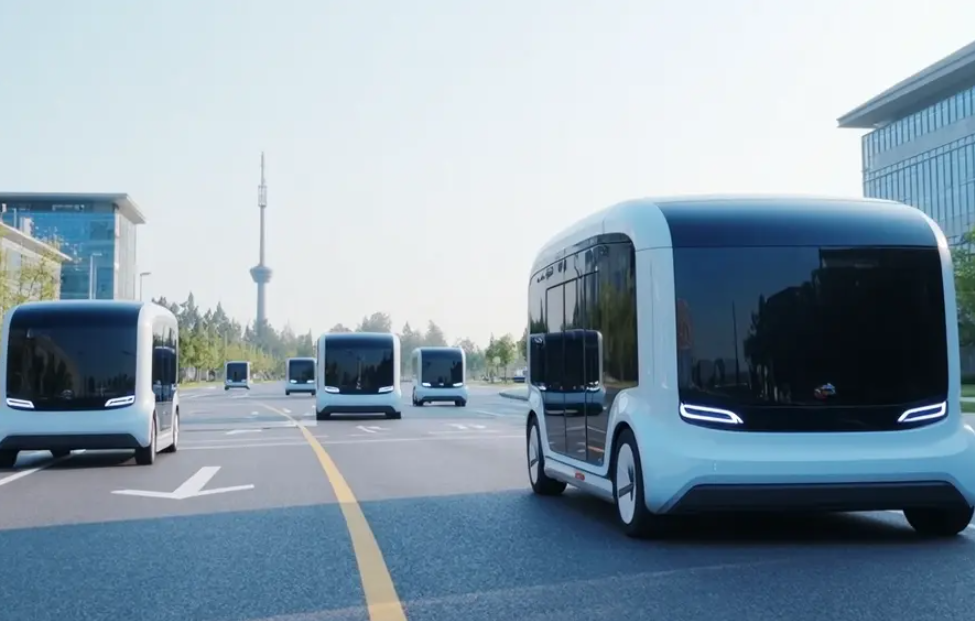
Wenn man von Fahrzeugkommunikation spricht, denken die meisten Leute zuerst an den CAN-Bus. Und ja, in den letzten zehn Jahren waren CAN-Gateways das Rückgrat der elektronischen Systeme in Kraftfahrzeugen. Doch mit der Einführung des autonomen Fahrens und der V2X-Technologien (Vehicle-to-Everything) kommen die traditionellen CAN-Gateways langsam in die Jahre.Vor kurzem habe ich das SV900 Fahrzeug-Gateway in die Hände bekommen, und ehrlich gesagt, kann man dieses Ding nicht mehr einfach als CAN-Gateway" bezeichnen - es definiert im Grunde neu, was Fahrzeugkommunikationssysteme sein sollten.
Lassen Sie uns zunächst über die alten Probleme sprechen. Herkömmliche CAN-Gateways erfüllen hauptsächlich drei Aufgaben: Protokollkonvertierung, Signalrouting und Netzwerkisolierung. Für herkömmliche Fahrzeuge funktioniert das gut - wenn Sie nur Bremssignale und Drehzahldaten zwischen Steuergeräten weitergeben, ist eine CAN-Bus-Bandbreite von 500 Kbit/s bis 1 Mbit/s ausreichend.Aber die Dinge haben sich geändert. Eine einzige Testplattform für autonome Fahrzeuge, die mit Lidar, Millimeterwellenradar und mehreren Kameras ausgestattet ist, erzeugt mehrere Gigabyte an Daten pro Sekunde. All diese Daten müssen in Echtzeit zur Verarbeitung in die Cloud übertragen werden und Steuerbefehle zurückerhalten. Traditionelles CAN-Gateway? Tut mir leid, es hat nicht einmal genug Ethernet-Anschlüsse.Es gibt noch ein weiteres Problem in der Praxis: die Stabilität des Netzes. Wenn ein Testfahrzeug auf der Autobahn fährt, kommen und gehen die 4G-Signale. Nach einer scharfen Kurve in einem Tunnel bricht das Signal einfach ab. Wenn Sie gerade ein OTA-Update oder eine Fernüberwachungssitzung durchführen, haben Sie ein Problem.
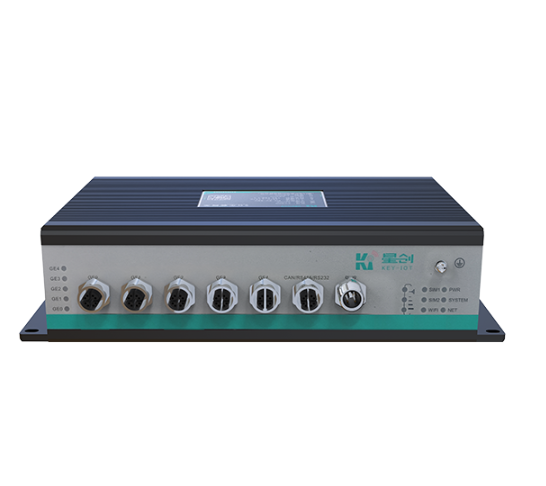
Das herausragende Merkmal des SV900 ist Duale 5G-Vernetzung. Beachten Sie, dass ich zwei 5G-Module sagte, nicht eines.Dieses Design ist clever. Zwei SIM-Karten, die in verschiedenen Netzen betrieben werden. Sagen wir, eine ist auf China Mobile, die andere auf China Unicom. Wenn ein Netz schwach oder überlastet ist, schaltet es automatisch auf das andere um. Ich habe das getestet - auf bestimmten Abschnitten der Peking-Tibet-Autobahn mit schlechtem Signal fällt eine einzelne 5G-Karte auf etwa 30 Mbps, aber die Dual-Karten-Aggregation bleibt stabil über 80 Mbps.Bei kommerziellen Szenarien wie autonomen Lieferfahrzeugen und Robotaxis können schon wenige Sekunden Netzunterbrechung zu Problemen führen. Die duale 5G-Lösung ist im Grunde eine "Doppelversicherung" für die Kommunikation.
Man könnte meinen, dass Steckverbinder nicht so wichtig sind. Aber wenn Sie schon einmal gesehen haben, wie sich Standard-Ethernet-Anschlüsse lösen oder abfallen, nachdem ein Testfahrzeug ein paar Stunden lang auf unebenen Straßen gefahren ist, werden Sie verstehen, warum M12-Luftfahrtsteckverbinder so wichtig.Der SV900 verfügt über 5 M12-Ethernet-Anschlüsse sowie einen M12-X-Stecker, der RS232-, RS485- und CAN-Schnittstellen integriert. Diese mit Gewinde versehenen, verriegelbaren Steckverbinder sind nach IP67 zertifiziert - wasserdicht, staubdicht und vibrationsbeständig. Ich habe Teams gesehen, die diese Steckverbinder drei Monate lang in Wüstentests eingesetzt haben, ohne dass es zu Problemen kam.Vergleichen Sie das mit Geräten, die Standard-RJ45-Anschlüsse verwenden - lockere Verbindungen nach ein paar Tagen der Vibration sind die Regel, und Sie müssen ständig anhalten, um die Kabel zu überprüfen.
Dieses Gerät verfügt über integrierte Multinetzwerk-Aggregation SDK die Bandbreite aus mehreren Netzen stapeln können. Wenn zum Beispiel jede 5G-Verbindung 100 Mbit/s hat, können Sie theoretisch Übertragungsgeschwindigkeiten von fast 200 Mbit/s erreichen.In realen Anwendungen haben wir es zur Übertragung von Echtzeit-Videoströmen von Fahrzeugkameras eingesetzt - vier 1080P-Feeds gleichzeitig mit einer Latenzzeit von unter 100 ms. Dies ist entscheidend für Szenarien der Fernübernahme von Fahrern - das Sicherheitspersonal muss das Material in Echtzeit und ohne spürbare Verzögerung sehen.Außerdem unterstützt es NTRIP-Protokollwas für Teams, die eine hochpräzise Positionierung vornehmen, sehr nützlich ist. Fahrzeuge können über das Gateway differentielle Korrekturdaten in Echtzeit empfangen und so die GPS-Genauigkeit von Meter- auf Zentimeter-Ebene verbessern.
Es gibt noch ein weiteres praktisches Merkmal.FLASH-Protokollspeicher. Alle Netzwerkdaten, CAN-Nachrichten und Systemereignisse während des Fahrzeugbetriebs können lokal gespeichert werden.Ich bin einmal auf ein seltsames Problem gestoßen: Ein Testfahrzeug verlor an einer Kreuzung für 30 Sekunden die Verbindung, aber die Cloud-Protokolle zeigten nichts. Als ich später die lokalen Protokolle des Gateways abrief, stellte sich heraus, dass es sich um eine kurze Unterbrechung handelte, die durch eine nahegelegene 5G-Basisstation verursacht wurde. Mit dieser Funktion lassen sich viele intermittierende Probleme zurückverfolgen und rekonstruieren.
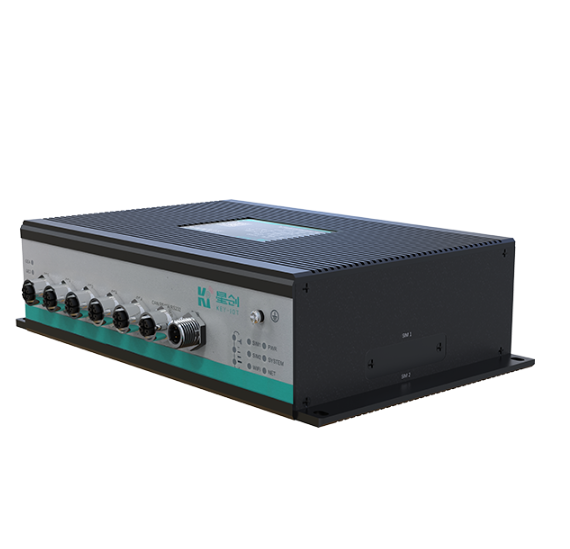
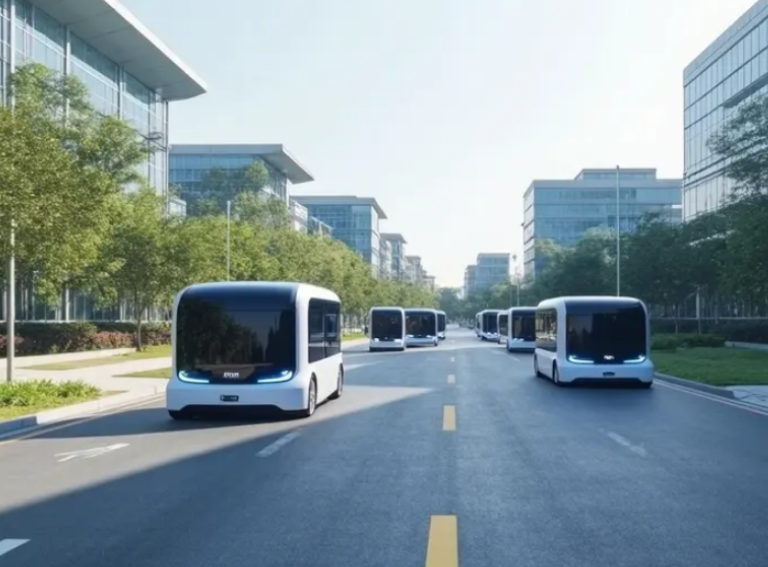
Viele Universitäten und Gemeinden haben inzwischen autonome Lieferfahrzeuge im Einsatz. Diese Fahrzeuge sind nicht schnell, aber sie erfordern extrem stabile Netzwerke - Auftragszuweisung, Routenplanung und Fernüberwachung hängen alle von der Konnektivität ab.Nach dem Einsatz von dualen 5G-Gateways bleiben die Lieferfahrzeuge selbst in Parkhäusern und dicht bebauten Gebieten mit schlechtem Signal in Verbindung. Die Betreiber können die Position, den Batteriestand und den Auftragsstatus jedes Fahrzeugs in Echtzeit sehen, was die Effizienz der Disposition erheblich verbessert.
Testfahrzeuge für autonomes Fahren erzeugen täglich mehrere Terabyte an Daten. Die bordseitige Speicherung kann dies nicht bewältigen - die Daten müssen in Echtzeit oder nahezu in Echtzeit übertragen werden. Der herkömmliche Ansatz ist das Hochladen über ein kabelgebundenes Netzwerk an der Basis über Nacht, aber das ist für Tests zu ineffizient.Mit dualen 5G-Gateways mit hoher Bandbreite können Sie während der Fahrt senden. Ich habe Teams erlebt, die bereits am Abend mit der Beschriftung und dem Training von Testdaten am Tag beginnen und so ihren Iterationszyklus halbieren können.
Im Bergbau sind die Bedingungen noch rauer: hohe Temperaturen, Staub, Vibrationen, schlechte Signale. Die M12-Steckverbinder und die doppelte 5G-Redundanz des SV900 sind in diesen Szenarien besonders hilfreich.In einem Tagebau haben die Betreiber mehr als ein Dutzend autonome Minenfahrzeuge eingesetzt, die duale 5G-Gateways für die Fernüberwachung und Notfallübernahme nutzen. Innerhalb von sechs Monaten gab es keinen einzigen Produktionsstopp aufgrund von Kommunikationsproblemen.
Vergleichen wir die beiden Generationen:Traditionelles CAN-Gateway:
5G-Fahrzeug-Gateway der nächsten Generation (wie SV900):
Einfach ausgedrückt: Die nächste Generation ist nicht nur ein "Gateway", sondern vielmehr die zentrale Drehscheibe für die Kommunikation und Datenverarbeitung im Fahrzeug.
Für die Auswahl von Geräten für ein Projekt gibt es einige wichtige Punkte, die auf praktischen Erfahrungen beruhen:1. Definieren Sie Ihre BandbreitenanforderungenWenn Sie nur CAN-Nachrichten und GPS-Positionen übertragen wollen, reicht 4G aus. Aber für Video, Lidar-Punktwolken, gehen Sie direkt zu 5G-dual 5G, wenn Sie es schwingen können.2. Schnittstellen und Schutzart prüfenVersuchsfahrzeuge und Nutzfahrzeuge brauchen unbedingt Schnittstellen in Automobilqualität. Wenn Sie ein paar Hundert Euro an Produkten für den Endverbraucher sparen, kostet Sie das später das Zehnfache an Wartung.3. Übersehen Sie nicht die SoftwarefunktionenNTRIP, Multinetzwerk-Aggregation, lokaler Speicher - all dies mag zunächst unnötig erscheinen, aber wenn Probleme auftreten, werden Sie feststellen, wie wichtig es ist.4. Skalierbarkeit berücksichtigenFahrzeugprojekte entwickeln sich schnell weiter. Die Lösung von heute muss vielleicht schon in sechs Monaten aktualisiert werden. Wählen Sie ein Gerät mit umfangreichen Schnittstellen und OTA-aktualisierbarer Software, um viele Umwege zu vermeiden.
Bei der Entwicklung von CAN-Gateways zu 5G-Fahrzeug-Gateways geht es nicht nur um Bandbreiten-Upgrades, sondern um eine komplette Umstrukturierung der Fahrzeugkommunikationsarchitektur. Die traditionelle "Kommunikation im Fahrzeug" entwickelt sich zu einer "Fahrzeug-Cloud-Infrastruktur-Koordination", und die Rolle des Gateways wandelt sich von einem einfachen Protokollkonverter zu einem wichtigen Knotenpunkt, der Fahrzeuge mit dem intelligenten Transport-Ökosystem verbindet.Produkte wie der SV900 repräsentieren die neue Richtung für Fahrzeugkommunikationsgeräte. Zweifache 5G-Redundanz, Schnittstellen in Automobilqualität, Multinetzwerk-Aggregation, Edge-Storage - bei diesen Funktionen geht es nicht darum, mit den technischen Daten zu prahlen, sondern sie sind wirklich auf die tatsächlichen Bedürfnisse des autonomen Fahrens und der vernetzten Fahrzeuge zugeschnitten.Wenn Ihr Projekt autonome Fahrversuche, unbemannte Lieferungen oder V2X umfasst, sollten Sie diese Art von Fahrzeug-Gateway der nächsten Generation ernsthaft in Betracht ziehen. Denn in der Welt der intelligenten, vernetzten Fahrzeuge entscheidet die Stabilität der Kommunikation oft darüber, wie weit Ihr Projekt gehen kann.
Mo
 English English
  Español de Perú
 Русский
 العربية
 日本語
日本語
 简体中文
简体中文
 Français
 Deutsch
 繁體中文
繁體中文