 KEY-IOT
ПОИСК
- 葡萄酒 | 威士忌 | 白兰地 | 啤酒 -.
- 葡萄酒 | 威士忌 | 白兰地 | 啤酒 -.
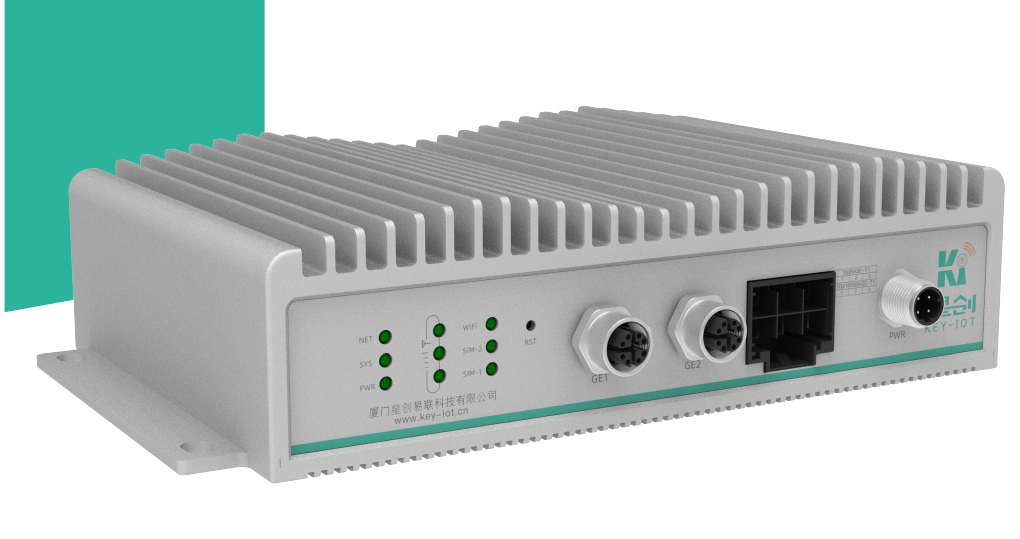
В последнее время я заметил на автомобильных форумах множество обсуждений решений о покупке автомобильных маршрутизаторов, и очевидно, что многие пользователи запутались в понятиях OEM и aftermarket. Как человек, который провел несколько лет в индустрии подключенных автомобилей, я хотел бы поделиться некоторыми соображениями на эту тему сегодня.
Позвольте мне начать с основных определений. OEM (Original Equipment Manufacturer), Также называется предустановленным или установленным на заводе оборудованием, относится к оборудованию, устанавливаемому непосредственно автопроизводителями на производственной линии до того, как автомобили покинут завод. Рынок запасных частей относится к оборудованию, устанавливаемому после выпуска автомобиля либо самими автовладельцами, либо профессиональными установочными мастерскими. Эта классификация относится не только к роутерам, но и к камерам наблюдения, навигационным системам и аудиоаппаратуре.
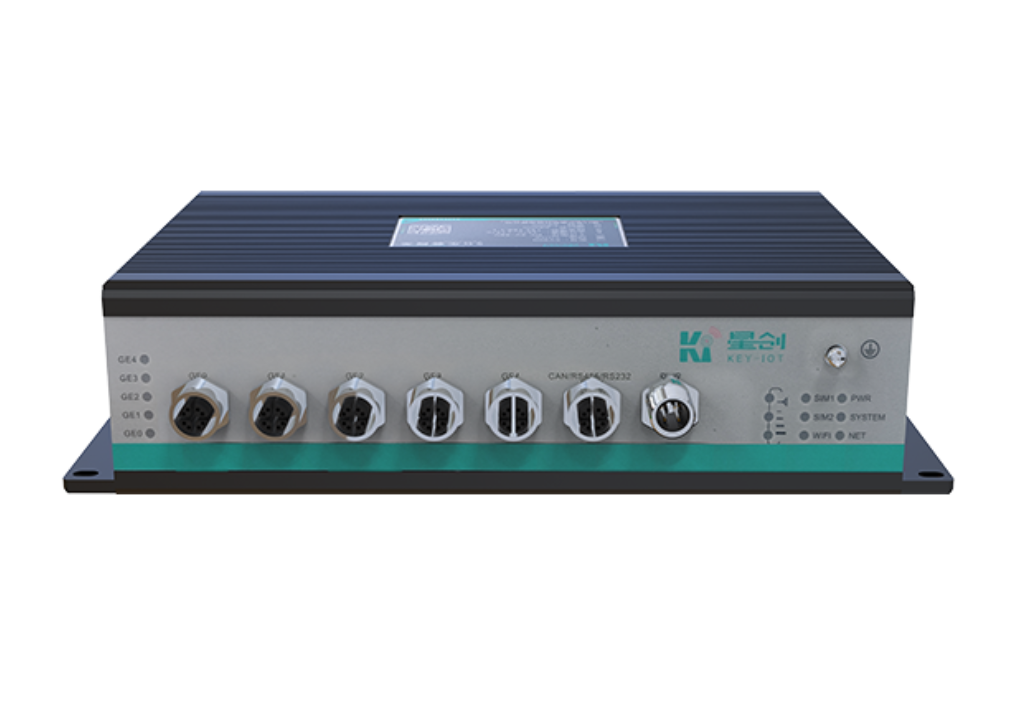
Автомобильный рынок OEM-производителей характеризуется исключительно высокими барьерами входа. Чтобы попасть в цепочку поставок автопроизводителя, необходимо соответствовать строгим требованиям, которые выходят далеко за рамки стандартов потребительской электроники.
Прежде всего, это различные сертификаты. Требования к автомобильному классу значительно превышают таковые для изделий бытовой электроники. Такие сертификаты, как AEC-Q100, ISO 26262 и IATF 16949, являются обязательными. Только температурные испытания требуют полного диапазона от -40°C до 85°C, а также тысячи часов испытаний на старение. Когда наша компания несколько лет назад добивалась сертификации OEM, стоимость одних только испытаний достигала нескольких сотен тысяч долларов, а сам процесс занял 18 месяцев.
Циклы разработки OEM-проектов обычно составляют 2-3 года. На всех этапах - от начала проекта, проектирования, отбора образцов, тестирования до окончательного массового производства - требуется многократная проверка. Автопроизводители проверяют каждую микросхему в спецификации материалов (BOM), а поставщики должны продемонстрировать долгосрочные стабильные поставки. Я был свидетелем проектов, требующих полной переделки из-за прекращения поставок одного конденсатора.
OEM-продукты почти всегда глубоко индивидуализированы. У разных автопроизводителей разные протоколы шины CAN, разные информационно-развлекательные системы и разные эстетические требования. Продукт, разработанный для BMW, не может быть просто использован для Mercedes-Benz. Это делает стандартизацию практически невозможной для OEM-продуктов - каждый проект требует независимой разработки.
Распределение прибыли на рынке комплектующих довольно интересно. Автопроизводители получают наибольшую долю, поставщики первого уровня - умеренную прибыль, а производители оборудования - относительно небольшую маржу. Однако объемы компенсируют это - как только вы входите в цепочку поставок какой-либо модели автомобиля, вы получаете стабильные заказы на несколько лет вперед. Некоторые популярные модели продаются сотнями тысяч единиц в год, что остается привлекательным для производителей оборудования.
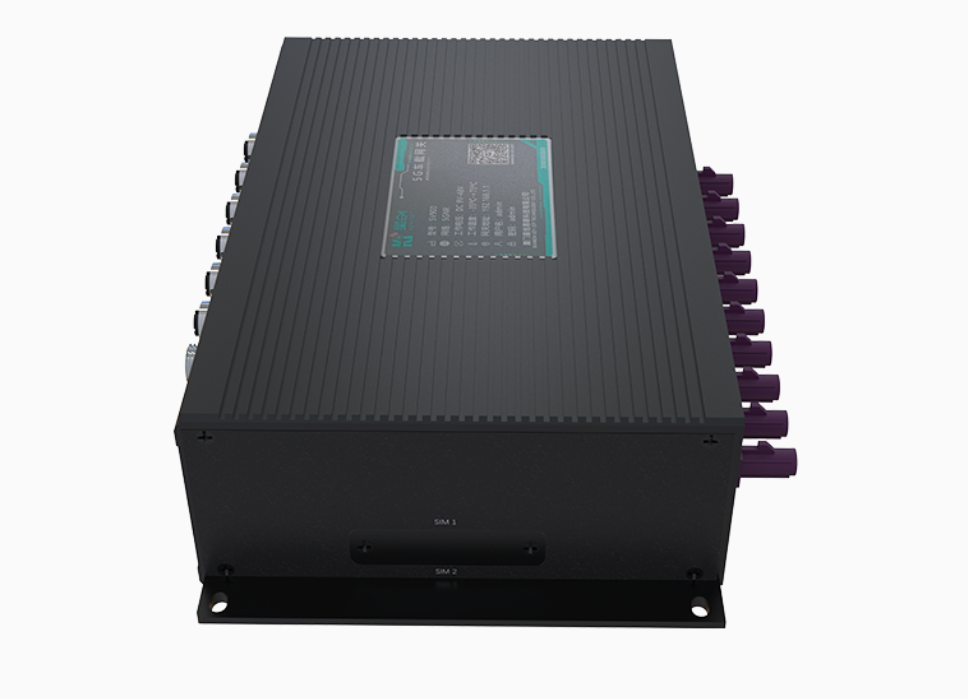
В отличие от сегмент вторичного рынка автомобильных маршрутизаторов предлагает гораздо большую гибкость, поэтому многие стартапы предпочитают выходить на рынок именно через этот канал.
Продукты для вторичного рынка могут быстро реагировать на запросы рынка. Если пользователи сообщают о том, что какая-то функция не работает должным образом, улучшения могут быть реализованы в следующей партии продукции. Циклы разработки коротки - от концепции до выхода на рынок может пройти всего 3-6 месяцев. Такая скорость невозможна на рынке комплектующих.
Продукты для вторичного рынка не требуют сертификации автомобильного класса и могут использовать микросхемы потребительского класса, что сразу же снижает стоимость. Материальные затраты на автомобильный маршрутизатор OEM могут быть в 3-4 раза выше, чем на устройство для вторичного рынка. Однако это не означает, что продукция вторичного рынка некачественная - просто она используется в разных сценариях применения с разными стандартными требованиями.
Продукты вторичного рынка имеют разнообразные каналы сбыта: платформы электронной коммерции, магазины автозапчастей, дилерские центры и мастерские по модификации. Маркетинговые подходы более гибкие, включая прямые трансляции, акции для влиятельных лиц и маркетинг в сообществах. Я знаю одного человека, занимающегося продажей автомобильных WiFi на вторичном рынке, который ежемесячно продает тысячи единиц продукции только через социальные сети.
С технической точки зрения OEM-производители и вторичный рынок придерживаются совершенно разных философий проектирования.
OEM-продукты Как правило, они подключаются непосредственно к системе питания автомобиля, что требует обработки различных сложных сценариев: падения напряжения при запуске двигателя, колебаний напряжения на выходе генератора и даже защиты от обратной полярности. Модуль управления питанием должен быть очень надежным.
Продукция вторичного рынка обычно получают питание от прикуривателя или OBD-портов, сталкиваясь с относительно более дружелюбной средой питания. Хотя колебания напряжения все еще необходимо учитывать, сложность гораздо ниже, чем требования OEM.
Изделия OEM устанавливаются внутри приборной панели с плохими условиями отвода тепла. Летом температура в салоне может достигать 70-80°C (158-176°F). Поэтому тепловой дизайн имеет решающее значение, а в некоторых высококлассных решениях используются алюминиевые корпуса для отвода тепла непосредственно к металлической раме автомобиля.
Продукты вторичного рынка имеют гибкие места установки и лучшую вентиляцию, что снижает тепловое давление. Однако все равно необходимо быть бдительным, так как длительное пребывание на солнце может создать высокую температуру в салоне.
Антенны OEM обычно интегрируются в определенные места автомобиля, что требует длительного взаимодействия с инженерами автопроизводителя для обеспечения баланса между покрытием сигнала и эстетикой автомобиля. Некоторые модели класса люкс прячут антенны в акульих плавниках или боковых зеркалах.
Антенны для вторичного рынка В основном это внешние или простые внутренние конструкции, обеспечивающие большую свободу дизайна, хотя на производительность может влиять место установки.
Пользователи рынка комплектующих это покупатели новых автомобилей, которые ценят заводское качество, беспроблемную интеграцию и гарантийную поддержку. Эти пользователи, как правило, не подкованы в технологиях и предпочитают решения без лишних хлопот.
Пользователи вторичного рынка больше похожи на энтузиастов "сделай сам" или тех, у кого есть особые потребности в подключенных автомобилях. Это могут быть водители грузовиков, которым требуется навигация и слежение, любители путешествий, которым нужен стабильный интернет, или любители техники, желающие поэкспериментировать с различными функциями.
Цены на OEM-продукты непрозрачны, часто они входят в пакеты опций автомобиля. По отдельности они могут стоить тысячи или даже десятки тысяч долларов. Однако потребитель воспринимает их как часть автомобиля.
Цены на продукцию вторичного рынка прозрачны и варьируются от нескольких сотен до более тысячи долларов. Потребители сравнивают цены, поэтому ценностное предложение является ключевым фактором.
OEM-продукты делают упор на стабильность и базовые функции: связь, позиционирование, базовая передача данных. Сложные функции внедряются редко, учитывая возможность использования различными пользователями.
Продукция вторичного рынка отличаются более агрессивной функциональностью: dual SIM dual standby, WiFi 6, 5G, даже видеонаблюдение. Это нацелено на пользователей, которым нужны именно такие расширенные возможности.
Позвольте мне привести несколько практических примеров.
Система подключенного автомобиля от производителя новых энергоносителей интегрирует маршрутизатор в T-Box, обеспечивая OTA-обновления, дистанционное управление и мониторинг состояния автомобиля. Пользователи совершенно не подозревают о присутствии маршрутизатора, однако он постоянно работает в фоновом режиме. Это типичный подход OEM-производителей, стремящихся к прозрачности и отсутствию необходимости в обслуживании.
Водитель-дальнобойщик установил маршрутизатор 4G с двумя SIM-картами разных операторов связи. На шоссе он использует одного оператора, а в горной местности переключается на другого, обеспечивая постоянное подключение. Этот маршрутизатор также обеспечивает интернетом его видеокамеру и портативный холодильник. OEM-производителям сложно удовлетворить такие требования, поэтому приходится полагаться на решения, предлагаемые на вторичном рынке.
Как технология подключения автомобилей Развиваясь, граница между OEM и aftermarket фактически стирается.
Некоторые компании, занимающиеся вторичным рынком, проникают в сферу OEM-производителей, начиная с нишевых брендов и производителей новых энергетических транспортных средств, а затем, набравшись опыта, переходят к традиционным крупным автопроизводителям. Одновременно с этим OEM-компании выпускают “полувнедорожную” продукцию, сохраняя качество OEM и упрощая установку, чтобы расширить долю рынка.
Принятие 5G и технология C-V2X будет способствовать дальнейшему развитию маршрутизаторов для автомобилей. В будущем могут появиться гибридные модели, сочетающие аппаратное обеспечение OEM с программным обеспечением вторичного рынка - аппаратное обеспечение предоставляет автопроизводитель, а программное обеспечение и услуги - сторонние разработчики, создавая более открытую экосистему.
Разделение автомобильных маршрутизаторов на категории OEM и aftermarket в корне определяется уникальными особенностями цепочки автомобильной промышленности. OEM-производители стремятся к надежности, стабильности и длительному жизненному циклу, а вторичный рынок - к гибкости, инновациям и быстрому реагированию. У каждого рынка свой подход и свои возможности.
Для рядовых покупателей новые автомобили не вызывают сомнений в том, что они установлены на заводе-изготовителе. Для тех, кому нужны особые функции или модернизация старых автомобилей, варианты послепродажного обслуживания обеспечивают гибкость. Абсолютно лучшего выбора нет - все зависит от ваших конкретных потребностей.
Основные выводы:
Не стесняйтесь оставлять комментарии ниже с любыми вопросами. Давайте вместе обсудим и узнаем о решениях для подключения автомобилей.
Мо
 English English
  Español de Perú
 Русский
 العربية
 日本語
日本語
 简体中文
简体中文
 Français
 Deutsch
 繁體中文
繁體中文