
搜尋

- 葡萄酒 | 威士忌 | 白兰地 | 啤酒 -

汽車通訊的雙重 5G 時代:閘道技術如何重塑智慧駕駛體驗

ef68e6d0c5480027ff7ccf5264af54d0


After eight years in the telematics industry, I’ve witnessed too many products that looked great on paper but fell flat in practice. A couple of years ago, the most common question from clients was “What can 5G actually bring to vehicles?” Now the question has evolved—”Is one 5G network enough?”This shift is fascinating. It signals that the industry has truly moved beyond the conceptual phase and started grappling with the real pain points of implementation.

The Dilemma of a Single Network

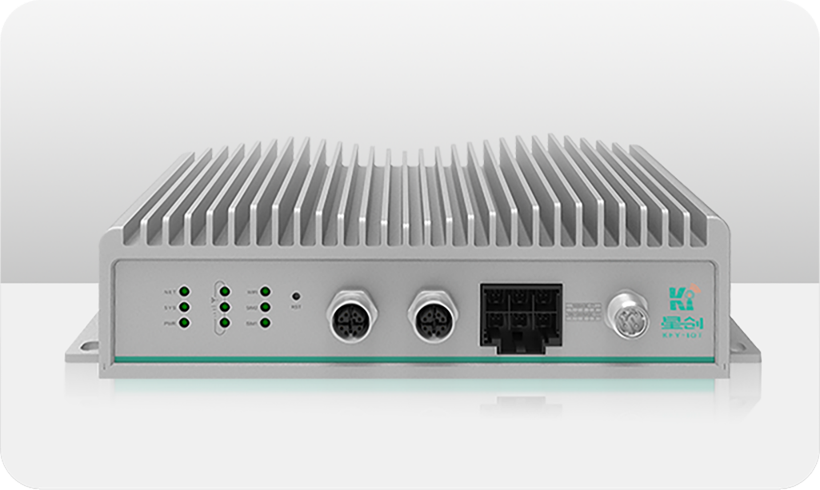
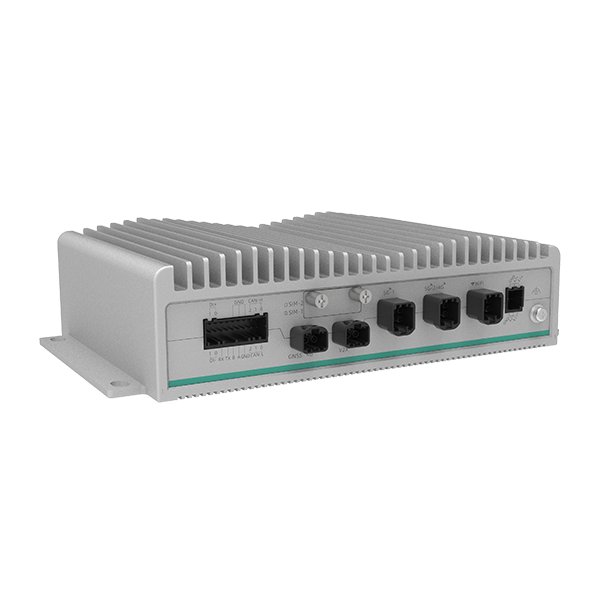
Fleet operations managers in the commercial vehicle sector know this struggle all too well: single 5G links perform nowhere near as well in complex scenarios as laboratory data suggests. Urban canyons, underground parking garages, cross-provincial highways—signal attenuation and handover latency are inescapable physical realities.Last year, I helped a cold chain logistics client deploy a fleet monitoring project. Forty refrigerated trucks running across three provinces in East China, and we revised the disconnection-retransmission logic five times just to handle connectivity issues. GPS drift was manageable, but when the live feed from onboard cameras dropped, cargo damage disputes turned into endless finger-pointing.We eventually switched to a dual-link solution with active-standby switching and load balancing, which finally solved the problem. But at what cost? Two modules, two data plans, double the power consumption, and twice the integration time.So when I got my hands on the SV910 technical whitepaper, my first thought was: finally, someone has productized this properly.

Dual 5G Is Not Simply “1+1”

Many people’s understanding of dual 5G stops at “two SIM cards.” That’s a misconception.The dual 5G architecture of the SV910 addresses challenges at three distinct levels:At the reliability level, hot standby switching compresses the disconnection window to milliseconds. For scenarios requiring real-time monitoring—hazmat transport, security escort fleets, emergency vehicles—this isn’t a nice-to-have; it’s a hard requirement.At the bandwidth level, multi-network aggregation technology achieves additive gains for both uplink and downlink. Eight HD video streams transmitting simultaneously can overwhelm a single 5G link, but dual-link aggregation handles it comfortably. Field tests show that peak throughput in aggregation mode can approach 1.8 times the theoretical value of a single link—a solid number considering real-world network losses.At the cost level, the two SIMs can belong to different carriers, dynamically selecting whichever has better signal. Anyone who has driven long-haul routes knows that China Mobile, China Unicom, and China Telecom each have their strong and weak coverage zones. The ability to dynamically optimize is money saved.The quad-core Cortex-A55 processor is an above-class configuration for the gateway category, but considering it needs to simultaneously run link scheduling, data aggregation, and security encryption tasks, this headroom isn’t extravagant.

V2X: One Foot Already Through the Door

Honestly, V2X has been over-hyped for years while actual deployment has remained lukewarm. The reason is simple: roadside unit coverage hasn’t scaled up, making vehicle-side equipment little more than decoration.But the winds are shifting. Late last year, several pilot cities launched vehicle-road coordination projects in quick succession, and OBU shipments started picking up. The SV910 integrates a V2X module into the gateway, meaning one less piece of hardware, one less integration cycle, and one less potential failure point for OEMs and Tier 1 suppliers.A more pragmatic consideration: even if large-scale V2X commercialization is still two or three years away, products with pre-embedded interfaces and protocol stacks at least won’t be disqualified in the next round of bidding. This is about securing a seat at the table, not immediate ROI.


39ee5f7720d714e52f205e73357f48c0

TSN: The Underestimated Hidden Moat

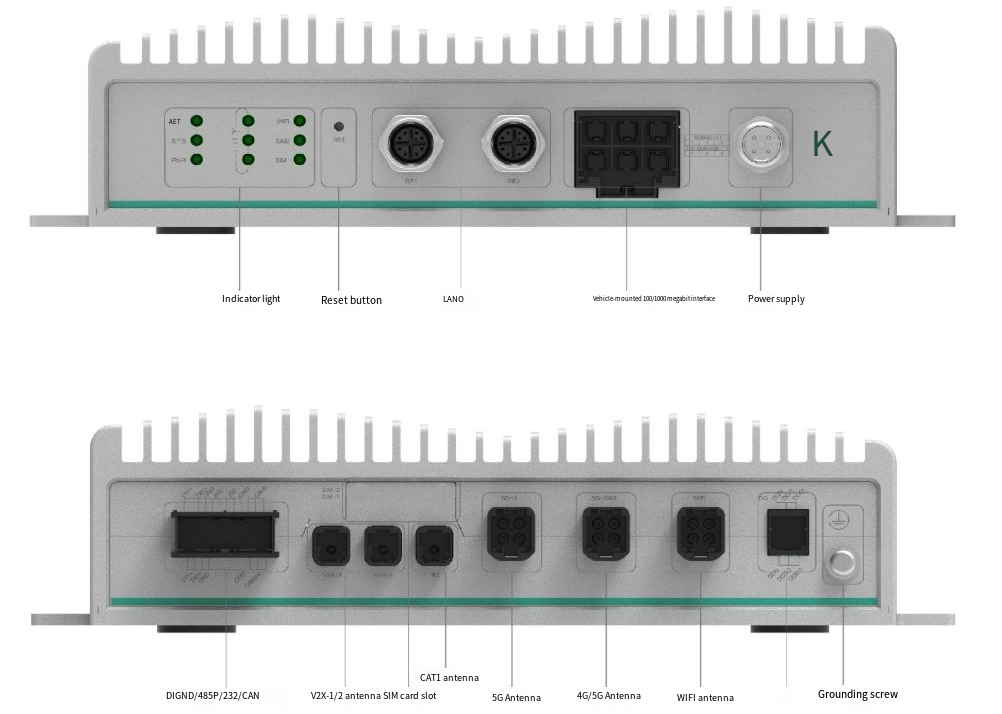
Technical parameters like PTP and GPTP time synchronization protocols probably make most readers scroll right past. But if you’ve ever worked on multi-sensor fusion projects, you understand what a 10-millisecond time base deviation means—LiDAR and camera data won’t align, and the perception layer outputs garbage.TSN (Time-Sensitive Networking) is a foundational capability for vehicle Ethernet. The SV910’s support for this protocol stack means it can serve as the time synchronization anchor for the entire vehicle. For L2+ and higher autonomous driving solutions, this is a significant advantage when pairing with domain controllers.The interface matrix of six 100M/1000M automotive Ethernet ports plus two M12 industrial Ethernet ports covers both T1 and standard TX physical layer configurations. In other words, whether you’re interfacing with legacy ECUs or new domain controllers, you’ll likely find a ready-made port on the harness.

CAN, DI, Relays: Veterans That Can’t Retire

After discussing all this new technology, let’s circle back to the three CAN channels, two DI ports, and two relay outputs—these “legacy interfaces” exist precisely for compatibility.Vehicle electrical architecture iteration doesn’t happen overnight. A massive installed base of vehicles still relies on CAN bus for body control and powertrain systems. One of a gateway’s core values is protocol conversion and data aggregation; eliminating traditional interfaces would be self-sabotage.The relay output detail is also worth mentioning. Many gateways only handle data, requiring external devices for control execution. The SV910 integrates two relay outputs, enabling one-stop completion of remote fuel/power cutoff and equipment switching—saving considerable hassle during project integration.


6f52e552fd2e98b4f8118c1cbdb8d1dc

Remote Wake-Up: Calculating Both Electricity Bills and Battery Life

Low power consumption and remote wake-up might not feel significant in passenger vehicle scenarios, but for new energy commercial vehicles, they’re critical concerns.Range anxiety for electric trucks isn’t just about driving distance—continuous power drain from onboard equipment while parked is equally painful. The SV910’s sleep mode power consumption and dual remote/local wake-up mechanisms directly address this pain point. The fleet management system remotely wakes the device when it needs to pull data; the driver’s presence triggers local wake-up; the rest of the time, power saving is maximized.


That about wraps things up. As a vehicle gateway product, the SV910 isn’t revolutionary, but its integration of dual 5G, V2X, TSN, and multi-standard interfaces into a single box while maintaining reasonable power consumption demonstrates real progress in vehicle communication supply chain engineering capabilities.For project managers currently in the selection phase, my advice is this: first clearly distinguish between must-haves and nice-to-haves for your business scenario, then compare against spec sheets. Expensive doesn’t mean right, comprehensive doesn’t mean good—fit is the optimal solution.

上一頁

Mo