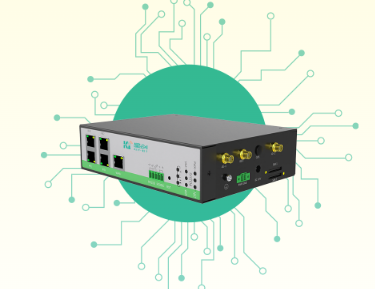
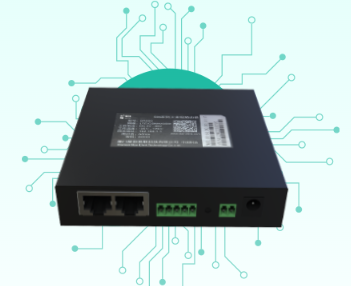
4G industrial routers achieve wireless data transmission in industrial settings through their built-in 4G communication modules. Their working principles primarily include:
Data Collection: Gathering data from field devices through serial ports, Ethernet, and other interfaces.
Data Processing: Performing data caching, security verification, and other processing tasks.
4G Wireless Transmission: Sending data wirelessly to remote platforms via the built-in 4G module.
Parameter Configuration: Remotely configuring router parameters, such as APN, heartbeat packets, etc.
Status Monitoring: Monitoring signal strength, data traffic, and other statuses to ensure transmission quality.
II. Key Parameters of 4G Industrial Routers
When selecting a industrial 4G router, consider the following key parameters:
4G Module Model: Different modules vary in transmission rates, stability, etc.
Interface Types: Choose serial ports, Ethernet, or other interface types according to requirements.
Operating Temperature Range: Some models can adapt to low-temperature environments of -40°C.
Protection Rating: For outdoor use, products with IP66 protection ratings may be selected.
Power Consumption Optimization: Optimizing router sleep and wake-up mechanisms to extend backup power time.
Intelligent Scheduling: Scheduling data transmission as needed to optimize traffic usage.
Remote Management: Flexibly completing remote configuration, debugging, diagnostics, etc.
III. Typical 4G Industrial Router Brands
KEY-IOT: High cost-performance ratio, strong technical capability, and good user reputation.
Overall, brands with balanced technical strength and product quality are more recommended, such as Star Create E-Link and Tek Electronics. Users can choose suitable 4G industrial router brands and product models according to their specific needs.