 KEY-IOT
بحث
— 葡萄酒 | 威士忌 | 白兰地 | 啤酒 —
— 葡萄酒 | 威士忌 | 白兰地 | 啤酒 —
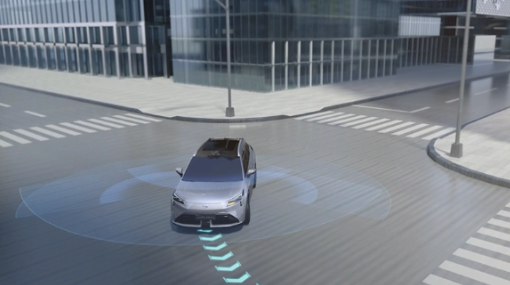
تتطور صناعة السيارات المتصلة بالإنترنت بسرعة فائقة. لقد انتقلنا من محطات 4G الطرفية البالية إلى أجهزة توجيه 5G المتطورة للمركبات التي توفر معدلات بيانات أسرع بعشرات المرات وزمن انتقال يقاس بالمللي ثانية. ما بدا وكأنه خيال علمي قبل بضع سنوات فقط أصبح الآن خارج خطوط الإنتاج وعلى الطرق والمناجم والموانئ في جميع أنحاء العالم.
لقد أحدث جهاز التوجيه المزدوج للمركبات SV910 5G المزدوج للمركبات ضجة كبيرة في البيئات المتخصصة - عمليات التعدين وموانئ الشحن والمجمعات الصناعية - حيث لا يكون الاتصال الموثوق به مناسباً فحسب، بل إنه أمر بالغ الأهمية للمهام. دعونا نحلل ما الذي يجعل هذا الجهاز مهمًا ونستكشف سبب أهمية مواصفاته التقنية في العالم الحقيقي.
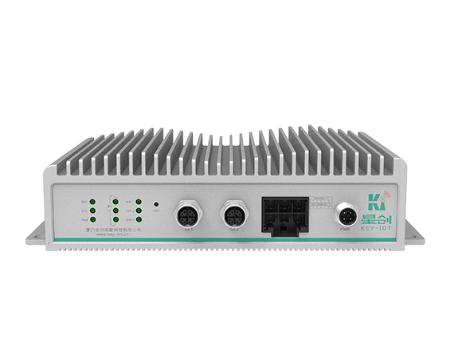
لا يمكنك التحدث عن جهاز توجيه 5G للمركبة دون مناقشة معالجها. يعمل جهاز SV910 على بنية Cortex-A55 رباعية النواة رباعية النواة 64 بت، ويكشف هذا الاختيار عن بعض التفكير الهندسي الذكي.
إن A55 ليس أقوى نواة في ARM - ليس بفارق كبير. لكن الأداء الخام ليس كل شيء في تطبيقات السيارات. فما يقدمه A55 هو كفاءة الطاقة الاستثنائية. فعلى عكس الخوادم التي تعمل في مراكز البيانات التي يتم التحكم في مناخها، تواجه موجهات المركبات ظروف تشغيل قاسية: ميزانيات طاقة محدودة، ودرجات حرارة عالية، واهتزازات مستمرة. يوفر A55 قوة حوسبة كافية مع الحفاظ على استهلاك الطاقة منخفضاً بشكل ملحوظ، وهو أمر ضروري للمعدات التي تحتاج إلى العمل على مدار الساعة.
أربعة أنوية تعني قدرة حقيقية على تعدد المهام. تخيل ما يحدث داخل جهاز التوجيه في أي لحظة: بيانات الجيل الخامس 5G تتدفق في كلا الاتجاهين، ورسائل V2X التي تنتقل بين المركبات، ومفاتيح Ethernet التي توجه الحزم، وبيانات ناقل CAN المتدفقة من أنظمة المركبات. يتعامل كل نواة مع حصته من عبء العمل، مما يمنع الاختناقات والحزم المتساقطة التي تعاني منها الأجهزة التي لا تعمل بالطاقة الكافية.
هناك شيء يغفل عنه معظم المشترين عند التسوق لشراء أجهزة توجيه 5G للمركبات: دقة مزامنة الوقت. الجميع مهووسون بعرض النطاق الترددي وقوة الإشارة، ولكن دقة التوقيت يمكن أن تجعل نشر المركبات ذاتية القيادة أو تحطمها.
يدعم SV910 كلاً من بروتوكول التوقيت الدقيق (PTP) وبروتوكول التوقيت الدقيق المعمم (GPTP)، وفهم السبب في ذلك مهم أكثر مما قد تعتقد.
فكر فيما يحدث داخل السيارة ذاتية القيادة. لديك وحدات ليدار ورادار بالموجات المليمترية وكاميرات - وكلها تولد سيولاً من البيانات التي تحتاج إلى دمجها في صورة متماسكة للعالم. ولكن الدمج يعمل فقط عندما تشترك كل قطعة من البيانات في مرجع زمني مشترك. إذا كانت أجهزة الاستشعار الخاصة بك بعيدة عن بعضها ولو ببضعة عشرات من المللي ثانية، تبدأ خوارزميات الدمج في ارتكاب الأخطاء. تؤثر الأخطاء البسيطة على دقة تحديد المواقع. وتتسبب الأخطاء الكبيرة في وقوع حوادث.
يعمل PTP على مزامنة الساعات عبر عقد الشبكة بدقة ميكروثانية أو حتى أقل من ميكروثانية. ويأخذ GPTP، الذي تم تعريفه في معيار IEEE 802.1AS، هذا الأمر إلى أبعد من ذلك مع تحسينات مصممة خصيصاً لبيئات إيثرنت السيارات وبنى الشبكات الحساسة للوقت.
بالنسبة للتطبيقات التي تتطلب أداءً فائق الدقة في الوقت الحقيقي - تشغيل المركبات عن بُعد، والفصائل، وتنسيق تحركات الأسطول - فإن مزامنة الوقت الدقيقة ليست اختيارية. إنه أمر أساسي.
يتم شحن معظم أجهزة الاتصال في السيارة مع وحدة خلوية واحدة. وهذا أمر جيد إلى أن تصطدم بازدحام الشبكة أو تقود سيارتك في منطقة ميتة - ثم يتوقف الاتصال ببساطة. تقضي بنية 5G المزدوجة في SV910 على هذه الثغرة على مستوى الأجهزة.
التسريع متعدد الشبكات يعني استخدام وصلتي 5G في وقت واحد لنقل البيانات. وهذا يوفر ثلاث مزايا متميزة:
تجميع عرض النطاق الترددي. تساهم كل من وصلات 5G في سعة التحميل والتنزيل، مما يضاعف عرض النطاق الترددي الأقصى النظري تقريباً. بالنسبة للتطبيقات التي تدفع تدفقات الفيديو عالية الوضوح - المراقبة عن بُعد، ونقل اللقطات في الوقت الفعلي - فإن تعزيز النطاق الترددي هذا يحول تجربة المستخدم.
تكرار الارتباط. عندما يتدهور أحد الاتصالين أو يفشل، يحل محله الآخر بسلاسة، مما يحافظ على استمرارية العمل. وهذا يثبت أنه لا يقدر بثمن في المناجم والأنفاق والبيئات الصعبة الأخرى حيث تتصرف الإشارات اللاسلكية بشكل غير متوقع.
توجيه حركة المرور الذكي. يقوم الجهاز بتوجيه أنواع البيانات المختلفة إلى الروابط المناسبة بناءً على الأولوية. تنتقل أوامر التحكم عبر الاتصال ذي الكمون المنخفض؛ بينما تستخدم تدفقات الفيديو مسار النطاق الترددي العالي. يتم تخصيص الموارد على النحو الأمثل بدلاً من القتال على نفس الأنبوب.
تُظهر بيانات النشر الميداني باستمرار أن أجهزة التوجيه المزدوجة للمركبات العاملة بتقنية الجيل الخامس 5G تتفوق على حلول الوحدة الواحدة في مقاييس الموثوقية. وهذا ما يدفع المزيد من العملاء الصناعيين إلى استخدام البنى ذات الوصلة المزدوجة.
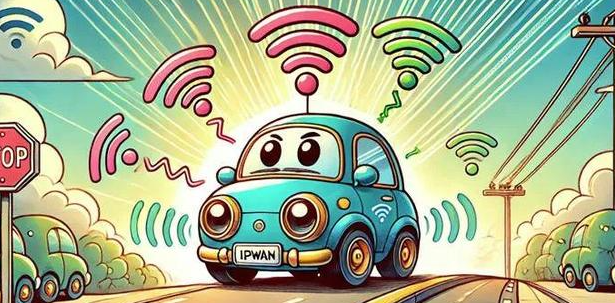
يرمز V2X إلى “من مركبة إلى كل شيء”، وهو مصطلح شامل يغطي أنماط الاتصال من مركبة إلى مركبة ومن مركبة إلى مركبة ومن مركبة إلى بنية تحتية ومن مركبة إلى مشاة ومن مركبة إلى شبكة.
وتمنح وحدة V2X المدمجة في SV910 السيارات القدرة على تبادل المعلومات مع محيطها.
تتألق هذه القدرة في البيئات الخاضعة للرقابة مثل المجمعات الصناعية أو مواقع التعدين. تخيل شاحنتي نقل غير مأهولتين تقتربان من تقاطع طرق. ومن خلال اتصال V2V، تتبادل الشاحنتان بيانات الموقع والسرعة والمسار المقصود مسبقاً. يقوم النظام تلقائياً بتنسيق حق الطريق، مما يزيل مخاطر التصادم. يتفوق هذا النهج على التصور الذي يعتمد على المستشعرات فقط لأن المستشعرات لديها نقاط عمياء - لا يهتم اتصال V2X بقيود خط الرؤية.
يمكن للوحدات الموجودة على جانب الطريق (RSUs) بث حالة إشارات المرور وتحذيرات منطقة البناء ومعلومات عن حدود السرعة للمركبات المارة. تتلقى المركبات هذه البيانات وتعدّل سلوكها في القيادة تلقائياً. ويمثل هذا التعاون بين المركبات والبنية التحتية دفعة كبيرة في تطوير النقل الذكي.
تخلق إدارة الطاقة معضلة حقيقية لمعدات السيارة. فإبقاء الأجهزة تعمل باستمرار يستنزف البطارية. ويعني إيقاف تشغيلها تماماً عدم قدرتها على الاستجابة للأوامر عن بُعد عند الحاجة.
يدعم SV910 كلاً من وضعي الإيقاظ عن بُعد والإيقاظ المحلي، مما يجعل الأمر مترابطاً بين الحفاظ على الطاقة واستجابة النظام.
في وضع السكون منخفض الطاقة، يحافظ الجهاز على الحد الأدنى من المراقبة لإشارات محددة. عندما ترسل المنصة السحابية أمر إيقاظ، أو عندما يكتشف ناقل CAN المحلي إشارة اشتعال، يعود الجهاز إلى التشغيل الكامل على الفور تقريباً.
يثبت هذا الأمر قيمته بشكل خاص للمركبات المتوقفة لفترات طويلة. يمكن لمنصات إدارة الأسطول إيقاظ جهاز التوجيه عن بُعد قبل أن تحتاج المركبة إلى التحرك، واستكمال تشخيصات النظام وتحديثات الخرائط وتنزيل المهام مسبقاً. تقضي السيارة وقتاً أقل في الانتظار قبل بدء مناوبتها.
يأتي SV910 مزودًا بستة منافذ إيثرنت للسيارات تدعم معايير 100BASE-T1 و1000BASE-T1.
تستخدم واجهات T1 كابلات زوجية ملتوية واحدة غير محمية - وهو ما يمثل انخفاضاً كبيراً عن الأزواج الأربعة التي تتطلبها وصلات TX التقليدية. قد يبدو هذا الأمر تفصيلاً بسيطاً، ولكن ضع في اعتبارك أن أسلاك السيارة تزن عشرات الكيلوغرامات بشكل روتيني. كل غرام يتم توفيره يترجم إلى انخفاض استهلاك الطاقة على مدى عمر السيارة.
كما توفر واجهات T1 أيضاً توافقاً كهرومغناطيسياً فائقاً، مما يحافظ على التشغيل المستقر وسط بيئة EMI القاسية داخل المركبات. وبالاقتران مع حزم بروتوكولات TSN، فإنها تتيح نقل زمن انتقال محدد - مما يلبي متطلبات الشبكة الصارمة لأنظمة القيادة الذاتية.
منفذان لشبكة إيثرنت الصناعية M12 للتعامل مع توصيلات الأجهزة الخارجية. توفر موصلات M12 مقاومة ممتازة للماء والغبار، مما يجعلها مناسبة لعمليات النشر في الأماكن الخارجية والبيئات القاسية.
لا تروي المواصفات الفنية سوى جزء من القصة. دعونا نلقي نظرة على كيفية اجتماع هذه القدرات معاً في عملية نشر فعلية.
في العام الماضي، قام منجم كبير مفتوح في شمال غرب الصين بتنفيذ مشروع تحويل ذكي، حيث تم نشر أسطول من شاحنات النقل غير المأهولة لأتمتة نقل المواد بين مناطق الحفر ومواقع التفريغ.
تدفع بيئات التعدين معدات اتصالات المركبات إلى أقصى حدودها. فالتضاريس قاسية - أعماق الحفر تتجاوز 200 متر، وزوايا انحدار شديدة، ومناطق اتصال لا حصر لها لا يمكن حصرها. تتطلب تركيزات الغبار معدلات حماية قوية للمعدات. تعمل المركبات لأكثر من 20 ساعة يومياً، مما يتطلب موثوقية لا تتزعزع.
حصل جهاز توجيه المركبات SV910 المزدوج 5G على العقد بناءً على العديد من القدرات الرئيسية:
تضمن وصلات الجيل الخامس المزدوجة استمرارية الاتصال في جميع أنحاء الحفرة. قامت شركة التعدين بتركيب محطات قاعدية متعددة للجيل الخامس 5G في أرضية الحفرة وعلى طول المنحدرات. وكانت المركبات تتنقل باستمرار بين المحطات القاعدية أثناء التشغيل، حيث أتاحت الروابط المزدوجة إمكانية إجراء عمليات تسليم سهلة “قبل الانقطاع”، مما منع انقطاع الاتصالات.
حلت وظيفة V2X تحديات التنسيق بين المركبات. الطرق المنجمية ضيقة؛ فعندما تلتقي شاحنتان محملتان، يجب على إحداهما أن تفسح المجال للأخرى. من خلال الاتصال V2V، تتفاوض المركبات مسبقاً، حيث تقوم الشاحنات الفارغة بإفساح الطريق للشاحنات المحملة. لا يتطلب الأمر تدخلاً بشرياً.
تضمن مزامنة الوقت PTP مزامنة الوقت PTP استجابة التشغيل عن بُعد. عندما تواجه الشاحنات غير المأهولة مواقف معقدة تتطلب سيطرة بشرية، يقوم المشغلون في مركز الإرسال بالتحكم في المركبات من خلال بث الفيديو. يجب أن يبقى زمن الاستجابة من النهاية إلى النهاية لكل من الفيديو وأوامر التحكم ضمن الحدود المقبولة - وإلا فإن إجراءات المشغل واستجابات المركبات لن تكون متزامنة، مما يؤدي إلى تأخيرات خطيرة.
بعد ستة أشهر من التشغيل، جاءت النتائج مطابقة للتوقعات. زاد حجم النقل اليومي لكل مركبة بحوالي 15%. انخفضت تكاليف العمالة بشكل كبير. والأهم من ذلك، أدى النشر إلى القضاء على مخاطر السلامة من الموظفين العاملين في المناطق الخطرة.
تعمل موجهات الجيل الخامس للمركبات بمثابة العمود الفقري للاتصالات للمركبات المتصلة وذاتية القيادة - من الصعب المبالغة في أهميتها. لكن السوق يحتوي على منتجات متفاوتة الجودة بشكل كبير. تعني المشتريات الذكية النظر إلى ما هو أبعد من أرقام ورقة المواصفات لفهم ما تقدمه هذه المعايير التقنية في الواقع العملي.
لقد اكتسب SV910 ثقة العملاء في بيئات التعدين والموانئ والحرم الجامعي ليس فقط لأنه يحتوي على ميزات عديدة، ولكن لأن هذه الميزات تعمل معًا بشكل متآزر لحل المشاكل الحقيقية التي يواجهها المستخدمون في عمليات النشر الفعلية.
مع نضوج تكنولوجيا القيادة الذاتية، ستزداد أهمية معدات الاتصالات في المركبات. نأمل أن نشهد ظهور المزيد من المنتجات المحلية ذات القدرات العالية، مما يدفع الصناعة بأكملها إلى الأمام.
مو
 English English
  Español de Perú
 Русский
 العربية
 日本語
日本語
 简体中文
简体中文
 Français
 Deutsch
 繁體中文
繁體中文